Advanced AI Standardization: What French Enterprises Must Anticipate Now
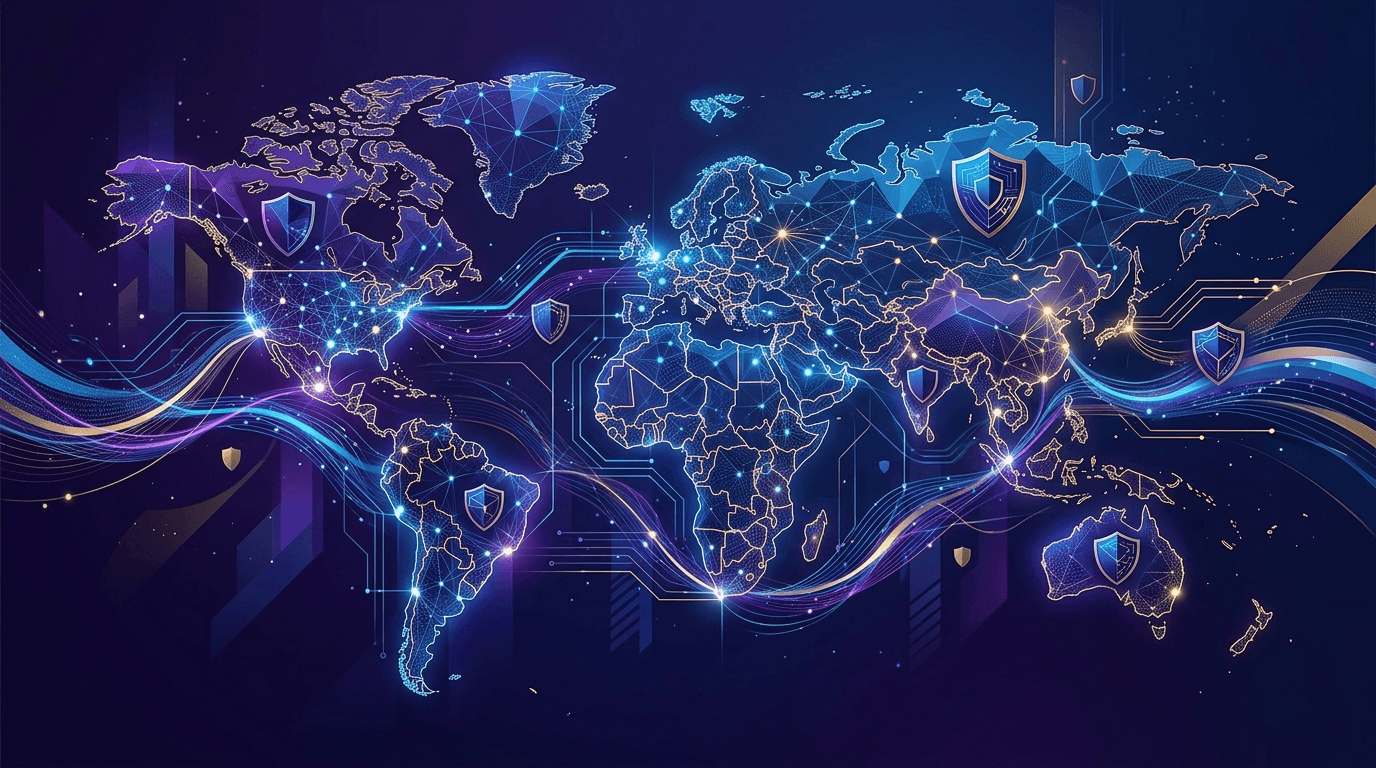
The race for artificial intelligence is no longer being fought solely on the battlefield of technical performance. It is now being waged on the terrain of standards, governance, and trust. OpenAI's recent announcement, actively partnering with the Appia Foundation to build shared evaluation and safety frameworks for advanced AI, marks a major strategic turning point. For French enterprises, this signal must not be overlooked: it prefigures tomorrow's rules of the game.
Why AI standardization has become a critical business issue
For years, the debate around AI focused on model power: who produces the best LLM, who indexes the most data, who responds the fastest. But organizations — enterprises, regulators, investors — gradually realized that a powerful model without a reliable evaluation framework is as much a risk as an opportunity.
This is precisely what the initiative led by OpenAI and the Appia Foundation aims to achieve: establishing common evaluation frameworks, interoperable security practices, and mechanisms for international cooperation. Concretely, this means that within 12 to 36 months, enterprises deploying AI could be required — or strongly incentivized — to demonstrate compliance with these standards, just as they currently comply with ISO 27001 for information security.
For French CEOs and CIOs, the question is therefore no longer "should we adopt AI?" but "how do we integrate these future standards into our AI roadmap starting today?"
What these new frameworks concretely imply for your operations
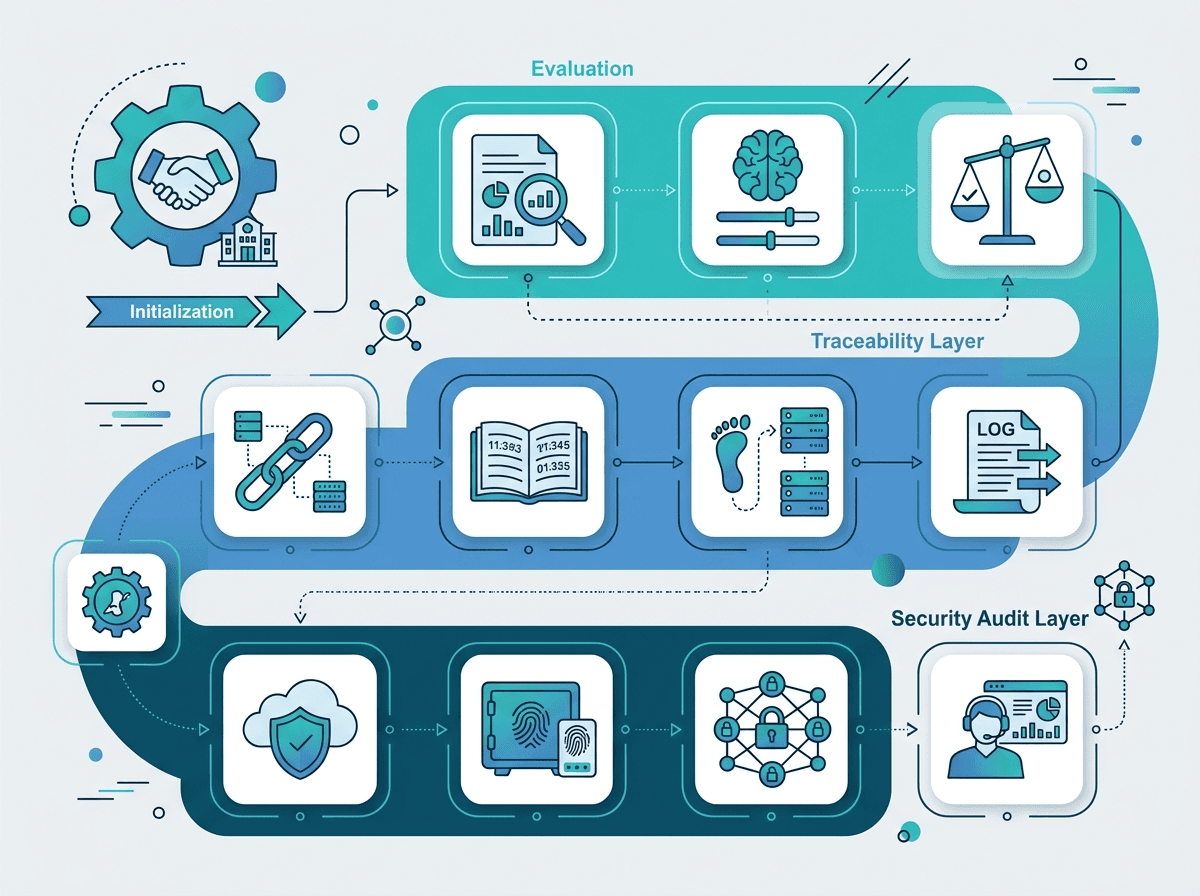
The frameworks being developed around the Appia Foundation are built on three operational pillars that enterprises must begin integrating into their strategy:
1. Model evaluation before deployment Before deploying an AI model — whether a commercial assistant, an HR analysis tool, or a fraud detection system — enterprises will need to document the robustness, bias, and security tests performed. A French distributor automating customer relations with an LLM will, for example, need to prove that the model has been evaluated on adversarial scenarios and does not generate discriminatory responses.
2. Traceability of AI-assisted decisions Emerging standards emphasize auditability. A regional bank using AI to score loan applications must be able to trace, decision by decision, which algorithmic logic prevailed. This is not just a regulatory requirement (the European AI Act points in this direction): it is also a growing expectation from customers and partners.
3. Inter-company cooperation on AI security incidents Following the model that exists in cybersecurity with CERTs, new standards encourage information sharing about incidents involving AI systems. An industrial SME hit by manipulation of its AI-assisted quality control system would thus have access to a shared knowledge base to identify the incident's origin and correct it.
Competitive opportunities for pioneers
It would be reductive to see these standards only as additional constraints. For French enterprises that anticipate, it is instead a significant competitive opportunity window.
Take the healthcare sector as an example: a medical software publisher that integrates the evaluation practices recommended by Appia starting now will be able to position itself as a trusted partner to hospitals and insurance companies, well before the competition catches up. In public procurement calls, compliance with AI standards will become a selection criterion, just as HDS certification is today for healthcare data hosting.
Similarly, in the consulting or audit sector, firms capable of offering their clients an AI maturity assessment aligned with these international frameworks will have a real differentiating advantage. "Trustworthy AI" certification could become, in the coming years, as strategic as ISO 9001 certification was for quality.
Finally, for enterprises operating internationally, aligning with shared standards facilitates interoperability with American, Asian, or European partners, and reduces regulatory friction during cross-border deployments.
Training your teams on AI standards: a strategic urgency
No transformation related to AI governance can succeed without upskilling teams. And this is often the most underestimated link in French enterprises' AI roadmaps.
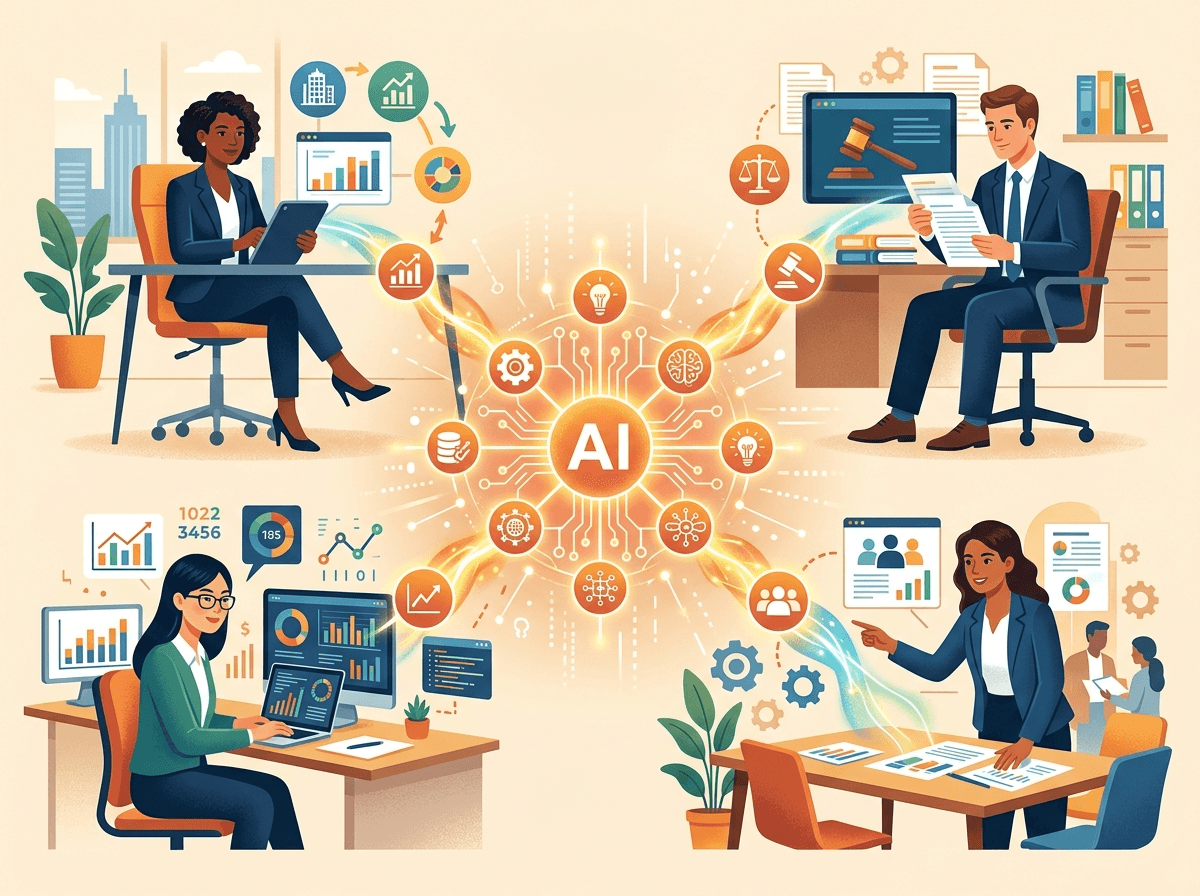
The employees affected are not solely data scientists or developers. They also include legal professionals who must understand the contractual implications of AI clauses, procurement managers who must evaluate technology suppliers' compliance, operational managers who must interpret AI system outputs with a critical eye, and board members who must arbitrate between deployment speed and acceptable risk levels.
Training these profiles requires a specific pedagogical approach: neither overly technical nor overly general. Programs are needed that anchor governance and standardization issues in concrete business use cases specific to each sector. A supply chain manager must not learn AI governance the same way as a marketing director or a CIO.
This is precisely Ikasia's reason for being: supporting French enterprises in this skills development, with customized training and consulting missions, grounded in operational reality and aligned with international regulatory and normative developments.
Advanced AI standards are no longer a distant prospect reserved for tech giants. They are arriving, driven by players like OpenAI, foundations like Appia, and supported by regulations like the European AI Act. French enterprises that prepare now will transform this constraint into a sustainable competitive advantage.
Do you want to assess your organization's AI maturity and prepare your teams for tomorrow's standards? Discover our training programs and consulting missions at ikasia.ai and let's discuss your roadmap.
Tags
Related courses
Related articles

OpenAI Faces Accountability: What the Australian Incident Reveals About AI Governance in Enterprise
Read
AI and Young Users: What OpenAI's Strategy for Teens Reveals About AI Governance in the Enterprise
Read
AI and National Security: What OpenAI's Strategic Shift Really Means for French Businesses
ReadWant to go further?
Ikasia offers AI training designed for professionals. From strategy to hands-on technical workshops.