Enterprise AI: OpenAI Accelerates Transformation and What It Means for Your Teams
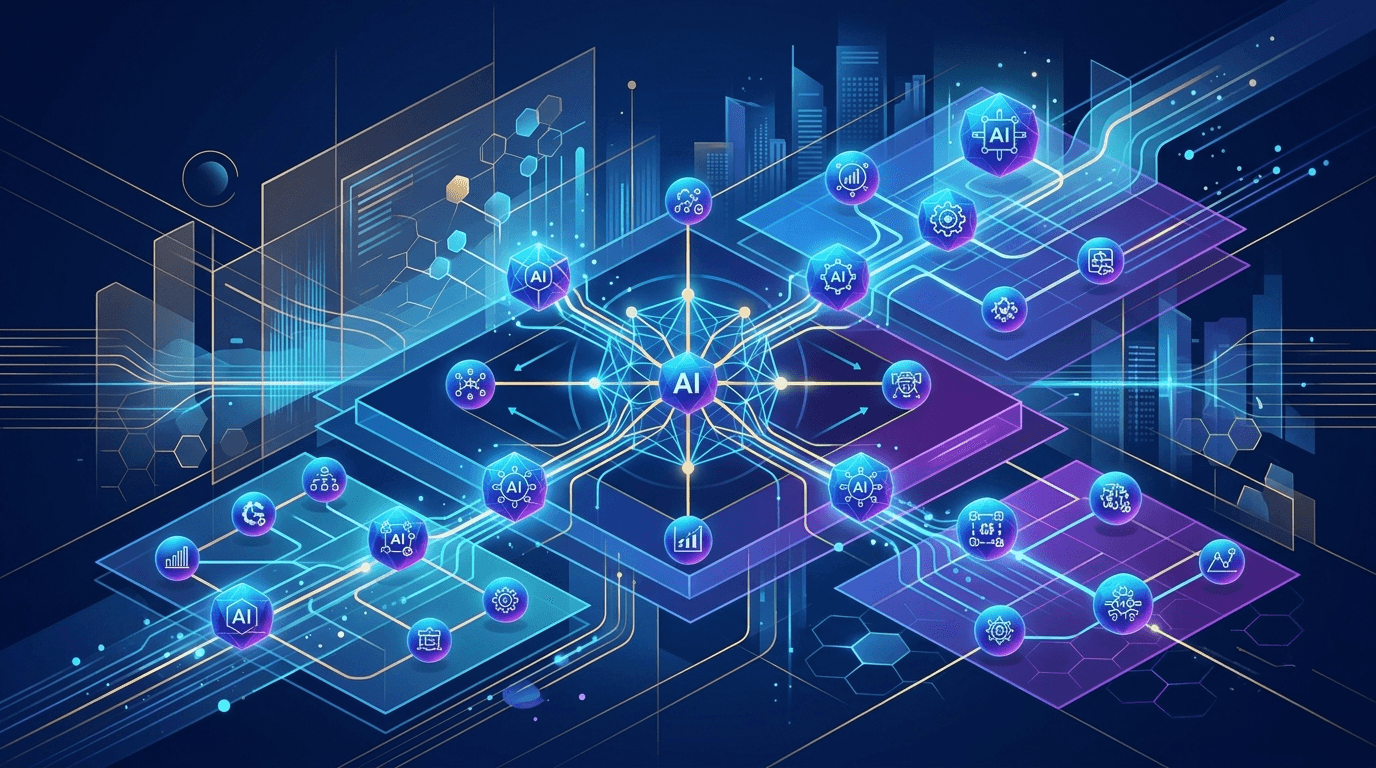
Artificial intelligence in the enterprise is no longer a forward-looking topic — it's an operational reality accelerating at a pace few organizations anticipated. OpenAI has just published its vision for the next phase of enterprise AI, built around several major pillars: the Frontier platform, ChatGPT Enterprise, Codex, and AI agents scaled across entire organizations. For French companies, often caught between regulatory caution and global competitive pressure, this signal is impossible to ignore.
In this article, we decode what this new phase concretely means — for your processes, your teams, and your digital transformation strategy.
From Experimentation to Industrialization: The Turning Point OpenAI Is Making
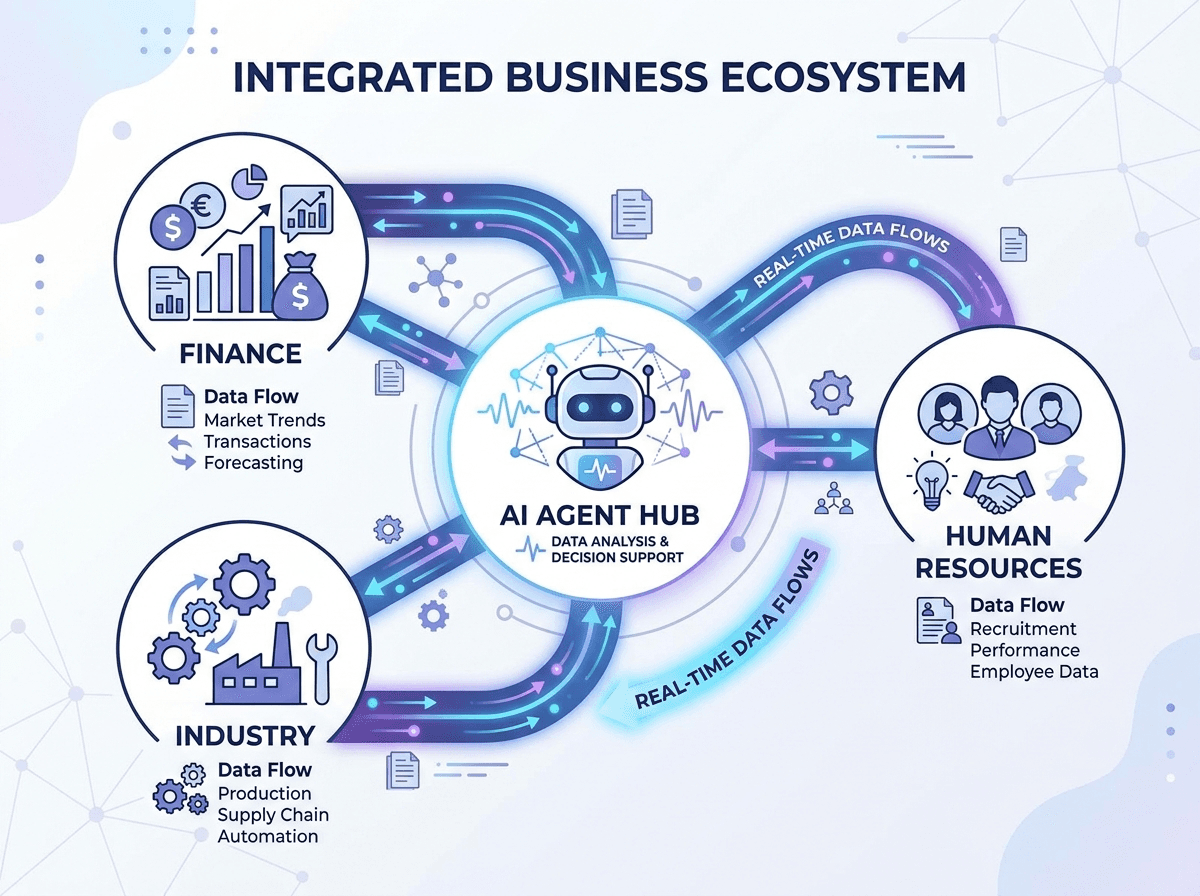
For two years, enterprises have tested AI in "pilot" mode: a few teams, a few use cases, a few carefully measured time savings. OpenAI is now marking a paradigm shift: AI is no longer deployed through isolated projects, but at the scale of the entire organization.
The Frontier platform targets large enterprises wanting access to the most advanced models within a secure framework, with guarantees on data confidentiality — a critical point for French mid-market and large corporations subject to GDPR and sector-specific requirements (banking, healthcare, industry). ChatGPT Enterprise positions itself as the operational entry point: an AI assistant connected to business tools, with advanced administration controls.
But the real breakthrough is Codex and autonomous AI agents. Codex enables delegating entire software development tasks to an agent, which codes, tests, and iterates in near-autonomous fashion. Enterprise agents can now act across multiple systems — CRM, ERP, document repositories — without constant human intervention.
Concrete example: A French industrial group can now envision an AI agent that monitors supply chain anomalies in real time, automatically drafts supplier alerts, and proposes substitution scenarios — all without an analyst being mobilized for each incident.
Three High-Impact Use Cases for French Enterprises
The accelerated adoption described by OpenAI is already translating into several sectors. Here's how organizations similar to yours are beginning to leverage it:
1. Finance and Regulatory Compliance Compliance teams at French banks and insurers are drowning in documentary obligations. AI agents can now analyze contracts, identify clauses non-compliant with new European directives (DORA, AI Act), and generate gap reports — reducing analysis time by 60 to 80% according to initial field estimates.
2. Industry and Enhanced Predictive Maintenance Combine an AI agent with your IoT sensor data and maintenance history: you get a system capable of drafting work orders, prioritizing interventions, and ordering spare parts — autonomously. French automotive equipment manufacturers are already beginning to structure these workflows.
3. Human Resources and Recruitment From CV pre-screening to personalized onboarding paths, HR agents enable HR directors to focus on human relationships while AI manages volume and process consistency. A mid-market company with 500 employees can thus offer a candidate experience worthy of a large corporation, without multiplying HR headcount.
What strikes us in these examples is the cross-functionality: AI no longer replaces a single tool, it orchestrates entire processes.
The European AI Act as Competitive Advantage, Not as Constraint
A legitimate concern for French leaders: how to reconcile this acceleration with the European regulatory framework, particularly the AI Act that entered into force in 2024? The good news is that companies anticipating compliance have a structural advantage over less rigorous competitors.
OpenAI explicitly designed its Enterprise and Frontier offerings to meet the requirements of regulated markets: data isolation, decision auditability, granular access controls. For a French company, this means it is possible to deploy AI agents in production while respecting legal obligations — provided you structure governance properly from the start.
The questions to ask yourself now: Which systems will interact with your AI agents? Who validates high-stakes automated decisions? How do you trace AI actions for your auditors? These are questions of organizational design, not purely technology.
Concrete example: An accounting firm can deploy an AI agent for reviewing tax filings, provided it has defined a human validation workflow for cases above a certain risk threshold — and documented this process for its clients and regulators.
Training Your Teams: The Decisive Variable That Technology Doesn't Solve
OpenAI can deliver the most sophisticated tools in the world — if your employees don't know how to work with them, ROI will remain marginal. This is the paradox we observe daily at Ikasia: companies investing in technology before training get disappointing results. Those who train first progress two to three times faster.
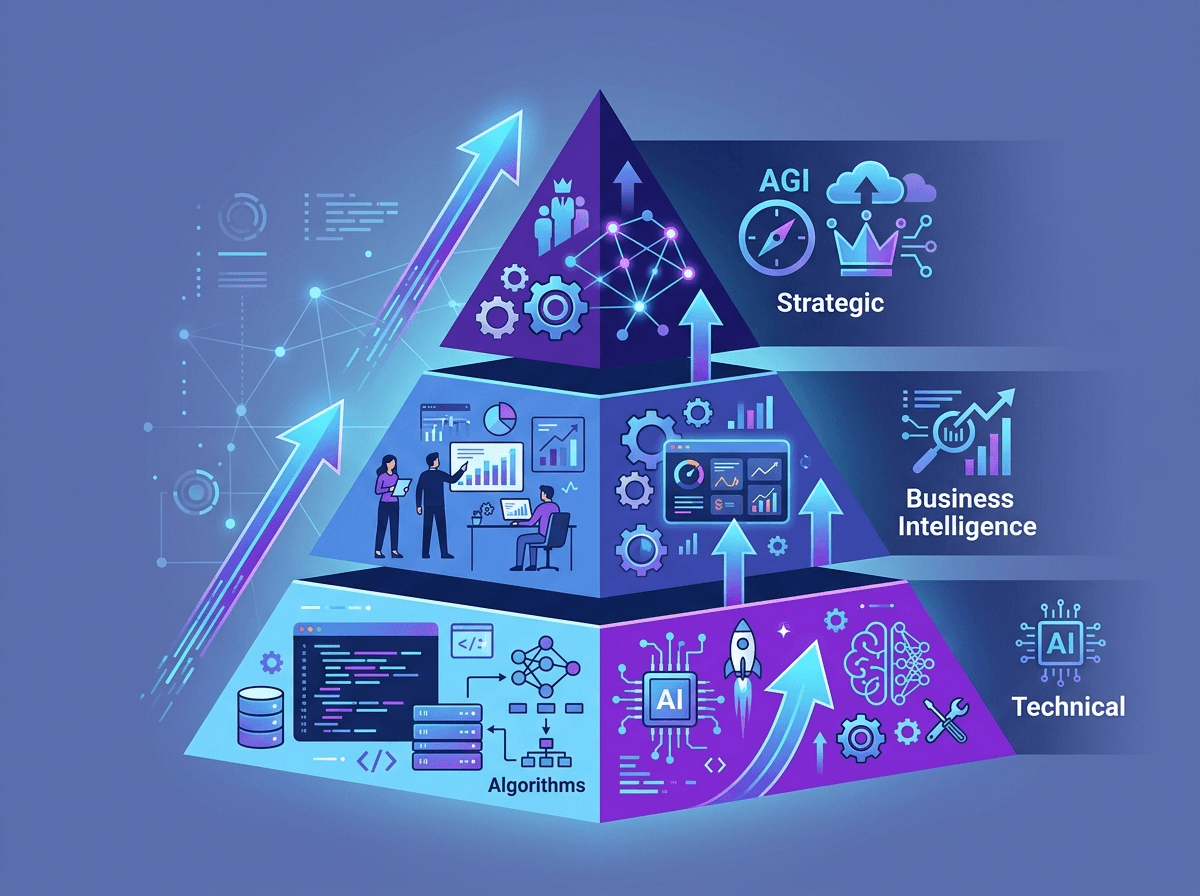
The next phase of enterprise AI demands three levels of competence simultaneously:
- The strategic level: your leaders and managers must understand what AI agents can and cannot do, to make informed investment and governance decisions.
- The business level: your experts (lawyers, engineers, sales professionals, HR specialists) must learn to design workflows integrating AI — becoming "orchestrators" rather than executors.
- The technical level: your IT and data teams must master AI system integration, security, and production monitoring.
Training is not a one-time event — it's a continuous adaptation process as AI capabilities evolve. Organizations establishing internal communities of practice, AI champions by department, and regular training cycles are those capitalizing durably on their investments.
The next phase of enterprise AI is not waiting. While you read this article, your competitors — French, European, American — are experimenting, deploying, and learning. The question is no longer "should we get started?" but "how do we get started intelligently, quickly, and sustainably?"
Ikasia supports French companies through this transition: AI maturity audits, executive and business team training, high-ROI use case design, and responsible deployment support.
Schedule an appointment with our experts at ikasia.ai and transform AI's acceleration into a lasting competitive advantage for your organization.
Tags
Related courses
Related articles
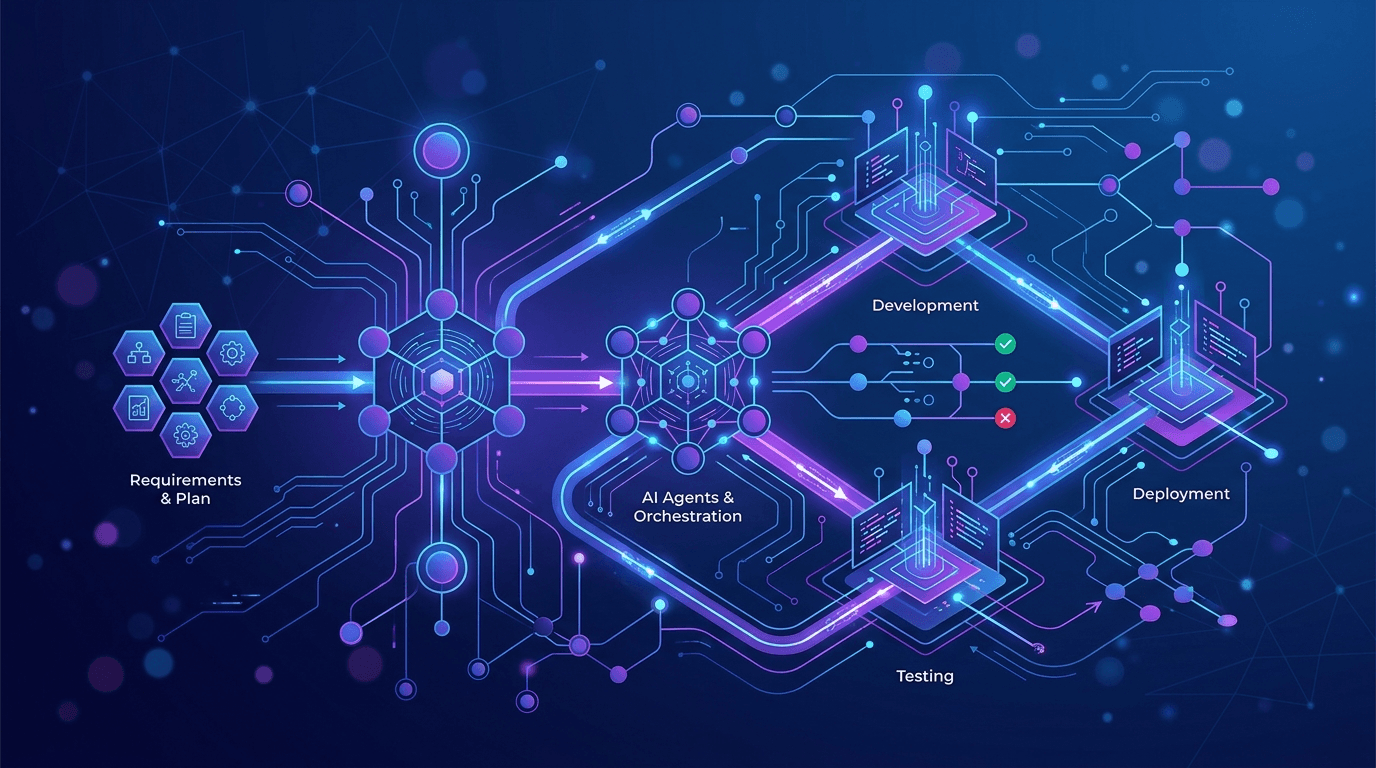
How Endava Reinvents Software Delivery with AI Agents: Lessons for French Businesses
Read
Autonomous AI in the Enterprise: What OpenAI's New Security Risks Reveal for Your Organization
Read
Claude Sonnet 5 on AWS: Next-Generation AI to Transform Your Team's Productivity
ReadWant to go further?
Ikasia offers AI training designed for professionals. From strategy to hands-on technical workshops.