Beyond Code: How Amp's AI Agents Are Redefining Enterprise Automation
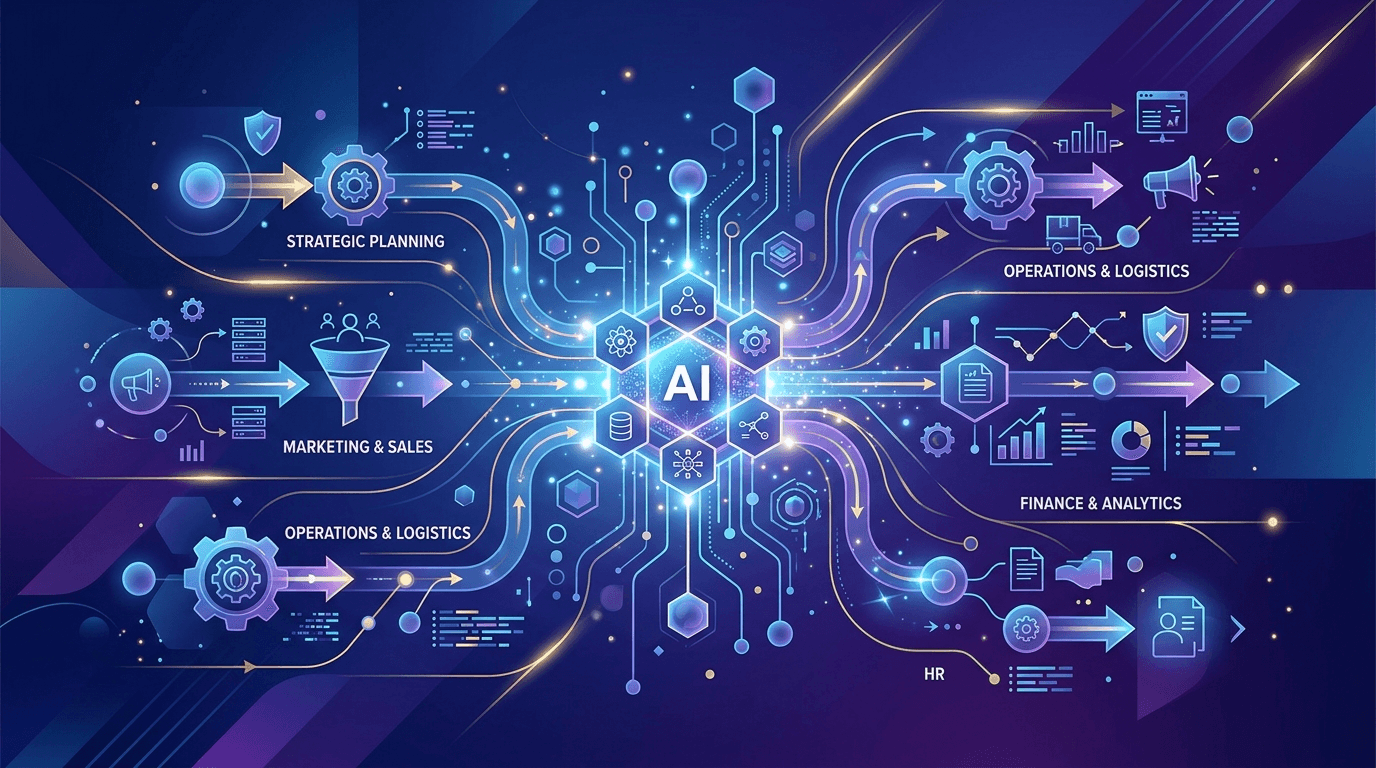
Artificial intelligence is reaching a new milestone. With the announcement of the Amp platform powered by the latest OpenAI models — GPT-6 Astra, Ultrafast, GPT-Live-1 and Sign in with ChatGPT integration — the world of agentic AI is entering a phase of operational maturity that far exceeds the scope of software development alone. For French enterprises, whether innovative SMEs or large groups undergoing digital transformation, this evolution represents far more than a technological curiosity: it's a strong signal of an ongoing revolution in business processes.
For years, AI agents have been primarily associated with coding assistance. Tools like GitHub Copilot and Cursor have democratized the idea of an assistant capable of producing code on demand. But what Amp demonstrates with OpenAI is that the power of agentic systems now applies to all functions within an enterprise — from customer relationships to operational management, competitive intelligence, and strategic decision-making.
AI Agents That Act, Not Just Respond
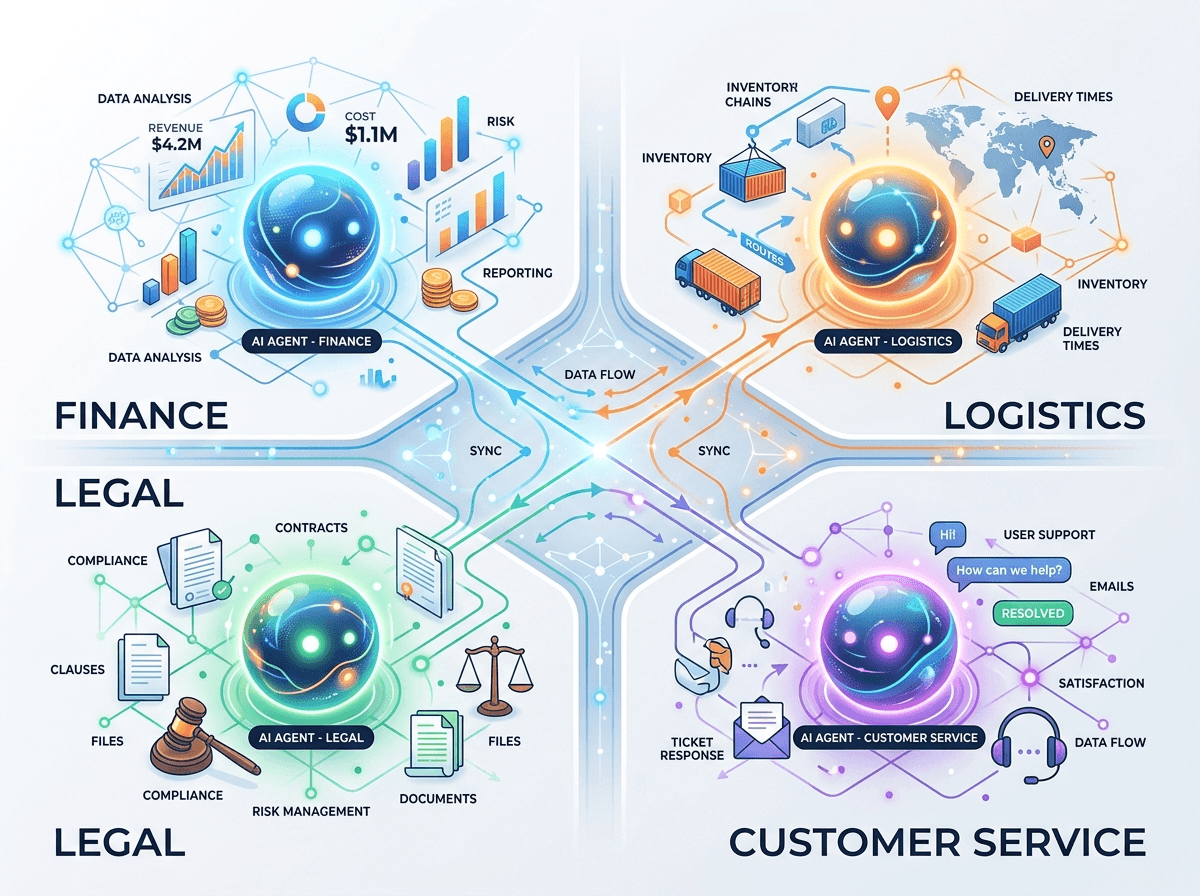
The fundamental distinction to understand is between a conversational LLM and an AI agent. Where a standard language model produces a text response, an agent plans, executes a sequence of actions, interacts with external systems, and adapts in real time to the results obtained.
With GPT-6 Astra, OpenAI introduces a model capable of advanced multimodal reasoning — text, image, audio, video — within a continuous execution flow. GPT-Live-1 opens the door to real-time voice interactions, enabling agents capable of actively participating in meetings, handling incoming calls, or conducting structured interviews. Ultrafast, as its name suggests, optimizes latency for high-volume use cases where every millisecond matters.
For a French retail enterprise, this could mean an agent that monitors stock levels in real time, anticipates shortages, automatically negotiates with suppliers via email, and generates a synthetic report for the operations director — all without human intervention in the execution chain.
Three French Sectors Leading the Agentic Transformation
The banking and insurance sector is particularly well-positioned to benefit from these advances. AI agents can now handle credit or claims files end-to-end: document collection, regulatory compliance verification (GDPR, PSD2), risk scoring, drafting of reasoned decisions, and client notification. What once took several days can now be reduced to a few hours, with complete traceability.
The manufacturing industry, particularly among the SME subcontractors that populate the French economic landscape, can deploy agents for tender management. The agent analyzes the specifications, queries the ERP to assess available production capacity, calculates cost price, and drafts a personalized commercial offer — a task that previously mobilized a sales engineer for half a day.
Consulting and expertise firms (legal, accounting, HR) see opportunities opening up for multiplying their analytical capacity. An agent equipped with GPT-6 Astra can review hundreds of pages of contracts, identify problematic clauses, cross-reference them with recent case law, and produce a synthetic memo ready for validation by a human expert. The professional's added value then concentrates on judgment and client relationships.
Sign in with ChatGPT Integration: A Governance and Adoption Challenge
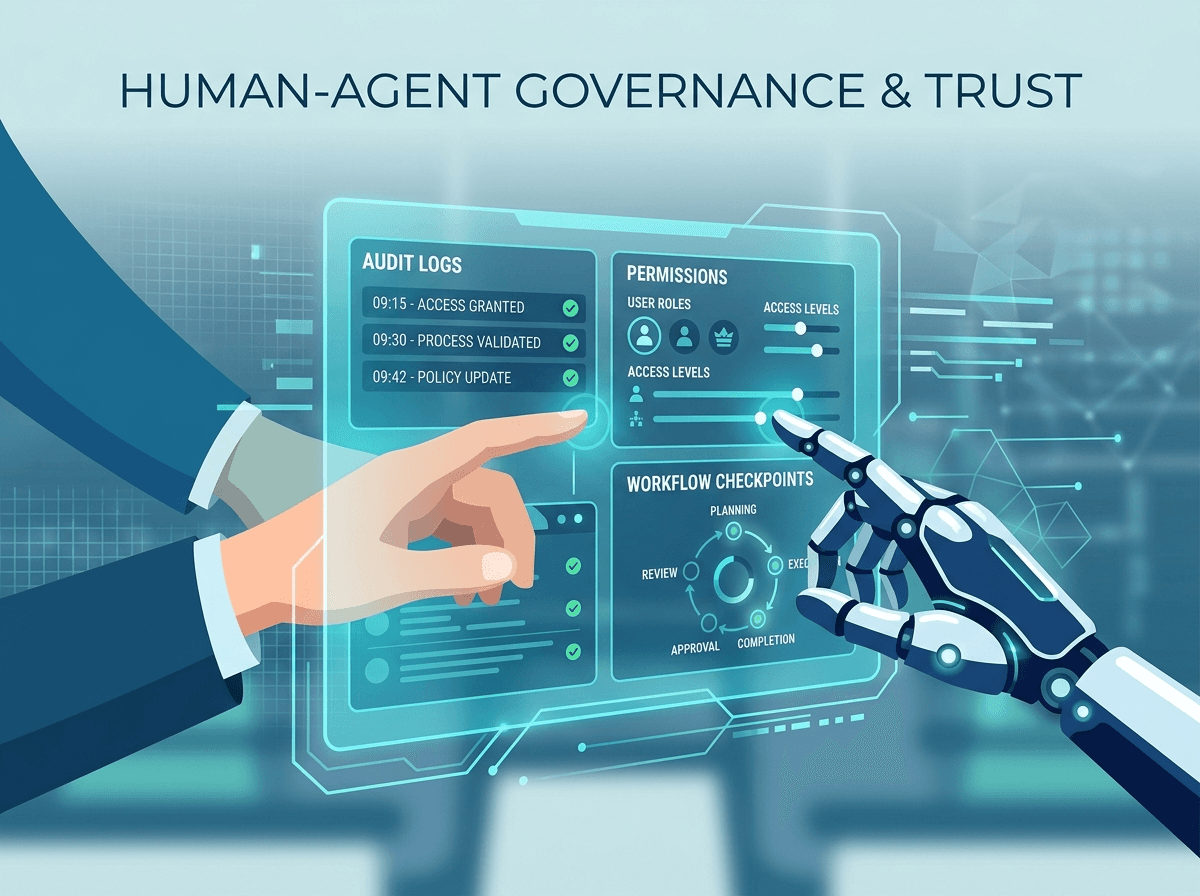
One of the most strategically significant announcements is the introduction of Sign in with ChatGPT, an authentication mechanism that allows enterprises to deploy AI agents directly within their existing tools with centralized identity and access rights management.
For French CIOs, this is a concrete response to governance concerns that often hinder adoption. Rather than managing dozens of scattered API keys and untraced access, enterprises can now precisely control who interacts with which agents, on which data, with which permissions. This is a decisive step toward agentic AI compatible with GDPR requirements and future obligations of the European AI Act.
This also means that the AI agent becomes a full collaborator within the enterprise's application ecosystem — with an account, rights, and an auditable action history. This evolution fundamentally changes how IT teams must think about their information systems architecture.
Training Your Teams for the Agentic Era: A Strategic Imperative
The emergence of AI agents beyond code raises a crucial question for executive leadership and HR: are our teams ready to work with agents, rather than just tools?
This transition requires a new skill set that can be organized around three key areas:
- Agentic workflow design: knowing how to decompose a business process into autonomous steps, defining necessary human control points, and writing effective system instructions (prompts) to guide the agent.
- Supervision and auditing: developing reflexes for verifying agent outputs, understanding risks of hallucination or cascading errors, and implementing validation mechanisms.
- Human-agent collaboration: learning to effectively delegate to an agent, interpret its results, and capitalize on its production to increase added value.
These competencies cannot be improvised. They require structured training rooted in the business realities of each sector, not just generic introductions to "AI".
At Ikasia, we support French enterprises in building these competencies through customized programs: agentic ideation workshops, operational training by business function, and guidance in establishing responsible AI governance. Our approach combines technical expertise and business grounding so your teams don't just undergo AI transformation — they become its architects.
AI agents are no longer a future promise. With the models deployed by Amp and OpenAI, they are an operational reality today. The question is no longer whether you should prepare for this, but how quickly you can make it happen.
Get ahead: contact the Ikasia teams at ikasia.ai for a free diagnostic of your agentic automation opportunities and a training plan tailored to your organization.
Tags
Related articles
Project Camellia: When OpenAI Builds Data Centers, French Businesses Must Rethink Their AI Strategy
Read
Autonomous AI Agents in Production: Google Opens a New Era for Enterprises with Gemini API
Read
OpenAI Partner Network: $150 Million to Accelerate Enterprise AI Transformation — What Changes for You
ReadWant to go further?
Ikasia offers AI training designed for professionals. From strategy to hands-on technical workshops.