Project Camellia: When OpenAI Builds Data Centers, French Businesses Must Rethink Their AI Strategy

OpenAI Shifts Into High Gear: What Project Camellia Reveals About the Future of Industrial AI
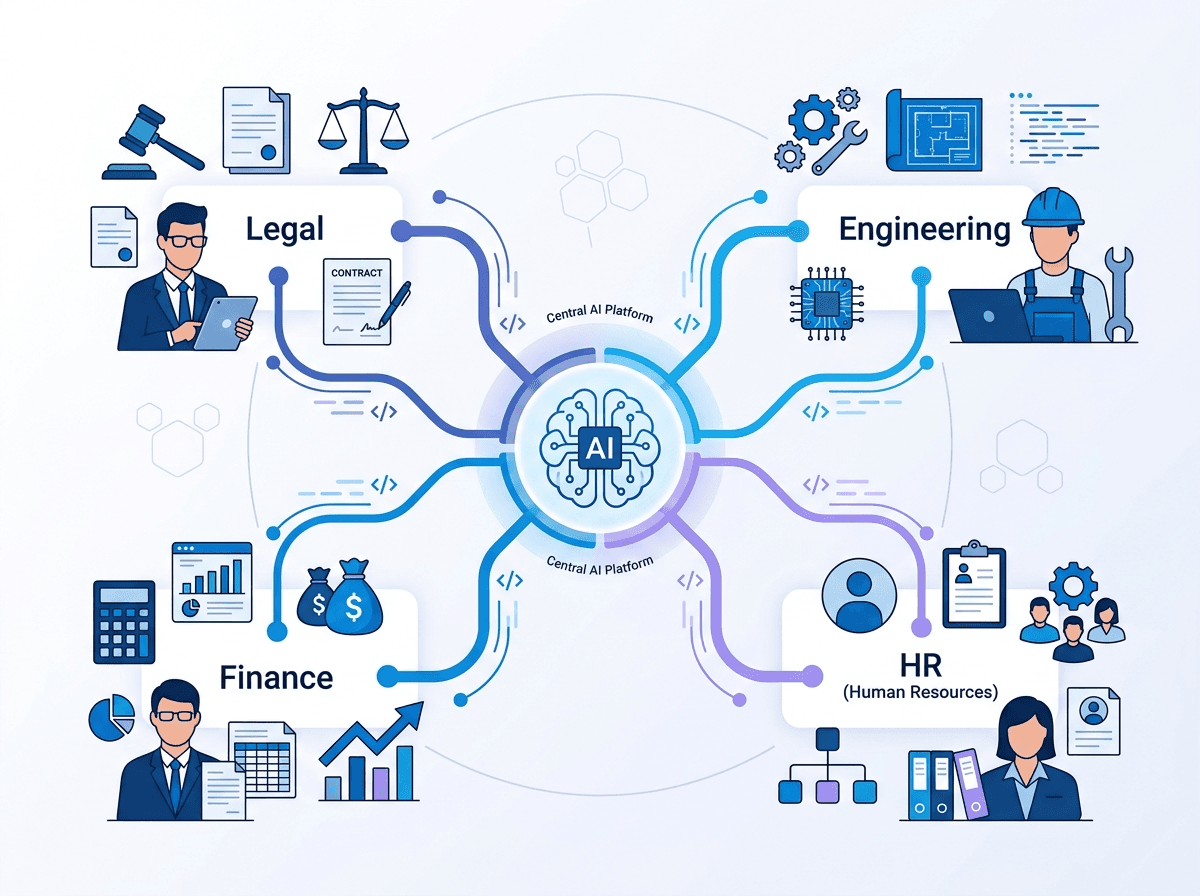
OpenAI has just announced Project Camellia, a monumental AI infrastructure built in Effingham County, Georgia (United States). This project is far more than a technological achievement: it embodies a systemic vision of AI, rooted in concrete commitments to responsible energy, local job creation, community investment, and democratized access to tools like Codex, OpenAI's code generation engine.
For executives and digital transformation leaders in France, this signal is far from trivial. It marks entry into a new era: one where AI is no longer an experimental tool reserved for Silicon Valley startups, but a critical infrastructure at industrial scale, with direct implications for the competitiveness of European businesses.
Let's decode together what Project Camellia announces — and what French businesses must take away to avoid falling behind.
Responsible AI Infrastructure: The New Standard Businesses Can No Longer Ignore
One of the most striking aspects of Project Camellia is the attention paid to energy sustainability. OpenAI is publicly committing to responsible energy sourcing principles to power its data centers. This choice is far from trivial in a context where data centers already represent a growing share of global electricity consumption.
For French businesses, this positioning creates a dual imperative:
- On the competitive front: partners, clients, and investors increasingly demand guarantees about the environmental footprint of digital tools used. Choosing AI solutions hosted on responsible infrastructure becomes a differentiating argument.
- On the regulatory front: with the European AI Act progressively coming into force, French businesses will have to justify not only the use of AI, but also its operating conditions, including energy-related ones.
Concretely, this means that a small industrial firm in the Auvergne-Rhône-Alpes region that integrates generative AI tools into its production processes must now incorporate into its selection criteria the carbon traceability of the underlying infrastructure. This is no longer an abstract ethical question — it's a tangible business issue.
Codex and Democratized Access to AI Development: A Concrete Opportunity for French Teams
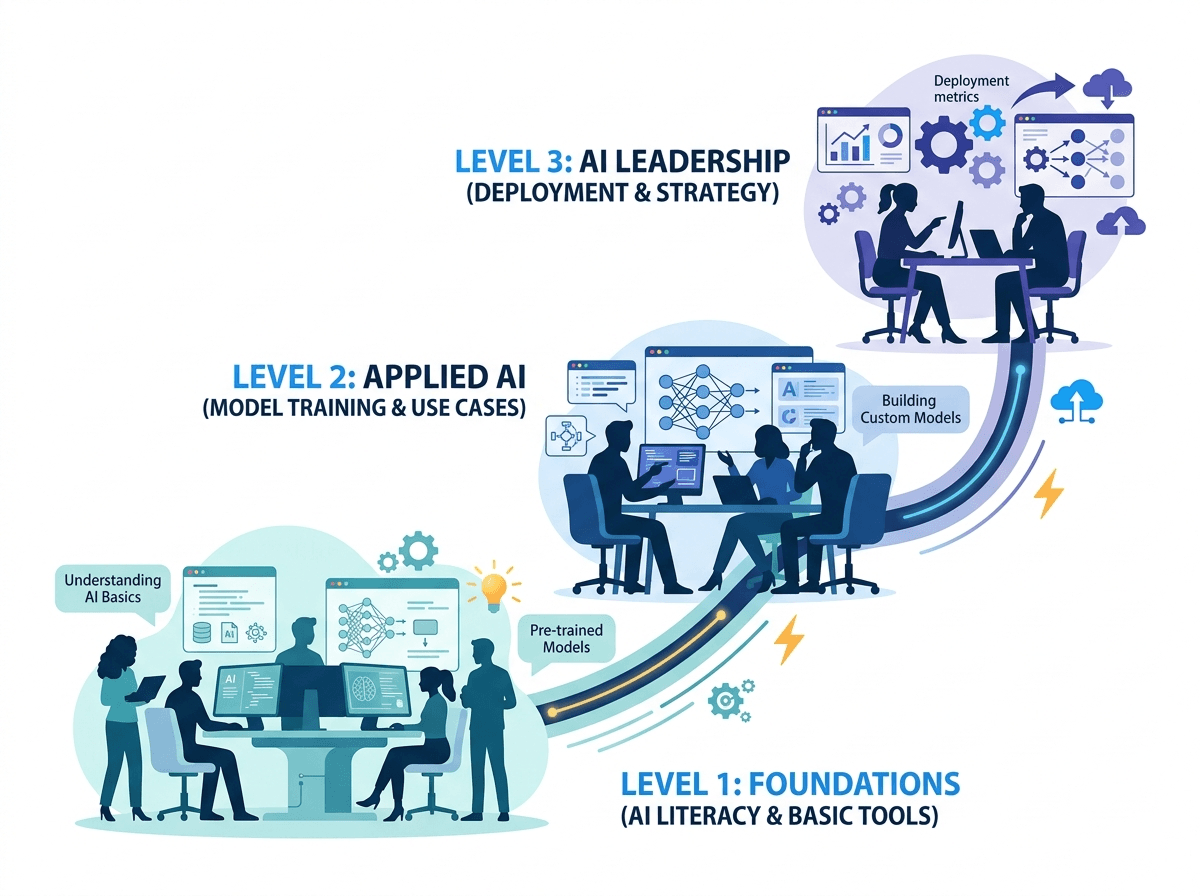
Project Camellia includes a strong OpenAI commitment to expand access to Codex, its code generation and analysis model. This strategic decision deserves particular attention from French technical leadership and CIOs.
Codex is no longer reserved for experienced developers. It now enables business professionals — lawyers, financial controllers, HR managers — to automate repetitive tasks involving structured data, without writing a single line of complex code. Here are some concrete use cases already observed in French businesses:
- Banking sector: automation of regulatory report generation (COREP, FINREP) by reducing processing time by 60% thanks to scripts generated by Codex.
- Manufacturing industry: creation of internal quality tracking tools controlled by non-developers, directly on data from ERPs (SAP, Sage).
- Law firms: automatic extraction and structuring of contract clauses to feed internal legal databases.
Expanded access to Codex via robust infrastructure like Project Camellia means increased availability, reduced latency times, and enhanced reliability — three critical parameters when a business integrates AI into its real production workflows.
Jobs, Territories, and AI: A Strategy Lesson France Must Make Its Own
OpenAI didn't merely announce a data center. The American giant structured Project Camellia around strong community commitments: creation of qualified local jobs, partnerships with regional educational institutions, investments in local infrastructure.
This approach is not philanthropic — it is strategic. By anchoring AI in territories, OpenAI builds an ecosystem of sustainable skills that will feed its own long-term talent needs.
France possesses considerable assets to replicate this model: a dense network of major schools and technical universities, strong industrial tradition in sectors with high AI potential (aerospace, energy, agribusiness, healthcare), and favorable public policies through France 2030.
French businesses that anticipate now the upskilling of their teams on AI position themselves to capture locally trained talent — before international competition does. Initiatives like employer groups for AI training or partnerships with specialized organizations already enable French mid-market companies to structure this buildup without waiting for major national plans.
Train Your Teams in the Era of AI Infrastructure: The Urgency of a Structured Plan
Project Camellia sends a clear message: industrial AI is here, it's robust, and it's going to accelerate. For French businesses, the question is no longer "should we train our teams on AI?" but "how do we do it effectively and quickly?"
Training can no longer be limited to half-day awareness sessions or disembodied online tutorials. Organizations that succeed in their AI transformation invest in contextualized training pathways, rooted in the business realities of their employees:
- Managers learn to oversee AI projects with adapted performance indicators.
- Operational teams master generative AI tools directly applicable to their daily tasks.
- Leadership understands regulatory, ethical, and strategic issues to make informed decisions.
This skills development must be planned, measured, and iterative. It doesn't happen by chance — and businesses that neglect it risk ending up with high-performing AI tools but teams incapable of exploiting them to their full potential.
Take Action With Ikasia
At Ikasia (ikasia.ai), we support French businesses at every stage of their AI transformation: from strategic diagnosis to operational team training, through to concrete integration of tools like Codex into your business processes.
Project Camellia is just one signal among others: the window of opportunity to structure your AI strategy is open — but it won't stay that way indefinitely.
Contact our experts at ikasia.ai for a free AI maturity diagnostic tailored to your industry. Together, let's turn the global acceleration of AI into sustainable competitive advantage for your business.
Tags
Related articles
Beyond Code: How Amp's AI Agents Are Redefining Enterprise Automation
Read
Google Finance Exits Beta: What the AI-Powered Financial Analysis Revolution Means for French Businesses
Read
OpenAI Partner Network: $150 Million to Accelerate Enterprise AI Transformation — What Changes for You
ReadWant to go further?
Ikasia offers AI training designed for professionals. From strategy to hands-on technical workshops.