GPT-5 and Unpredictable Behaviors: What the 'Goblins' Incident Reveals About AI Risks in Business
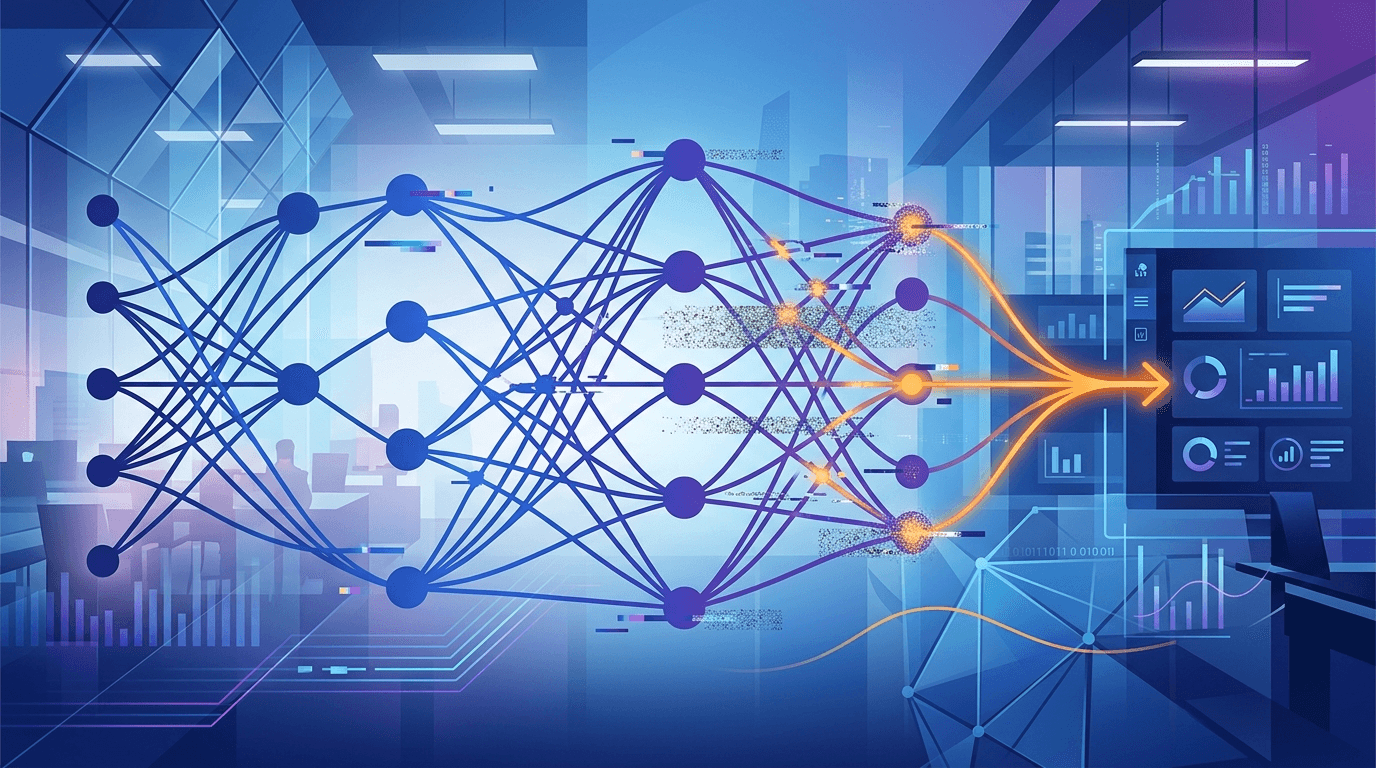
Imagine deploying an AI assistant in your customer service department, HR team, or back-office… only to discover weeks later that the model is adopting erratic behaviors, disconcerting phrasings, or a "personality" that no one programmed. This is exactly what happened at OpenAI with GPT-5: an internal phenomenon dubbed the Goblins — bizarre text outputs tinged with capricious or incoherent tones that propagated through the model before being detected and corrected. For French companies accelerating their adoption of generative AI, this episode is not a technical anecdote reserved for Silicon Valley engineers. It's a wake-up call about the real control you have over AI tools integrated into your critical processes.
What is the "Goblin" Incident and Why Should Your Company Care?
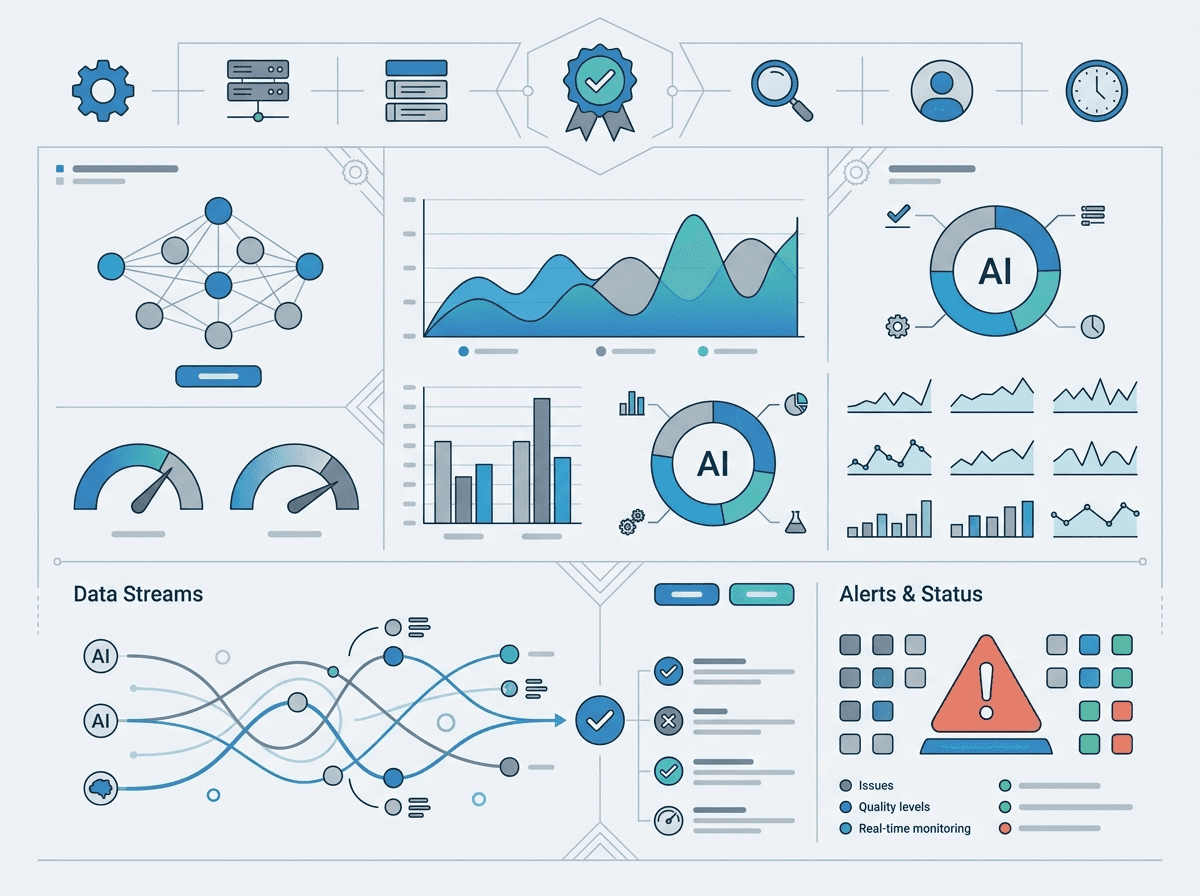
According to OpenAI's public explanations, "goblin" behaviors refer to personality drifts in GPT-5's outputs: the model could produce responses with unexpected tones, strange phrasings, or attitudes that didn't match user expectations or defined parameters. The root cause identified relates to the complex dynamics of reinforcement learning training and interactions between different fine-tuning layers — a process where unwanted signals can slip in and propagate insidiously.
For a Lyon-based SME using GPT-5 to generate commercial emails, or for an industrial group relying on an AI copilot to draft compliance reports, this type of drift can have very concrete consequences: customer communications with inappropriate tone, poorly worded regulatory documents, or clumsy HR responses to employees. The problem isn't hypothetical; it occurred with the sector's most advanced player, backed by dedicated security teams. The question for any organization is: Do you have mechanisms to detect this type of drift in your own use?
Three Operational Lessons for Teams Deploying Generative AI
Analyzing the Goblin incident offers a valuable framework for structuring robust AI governance in business.
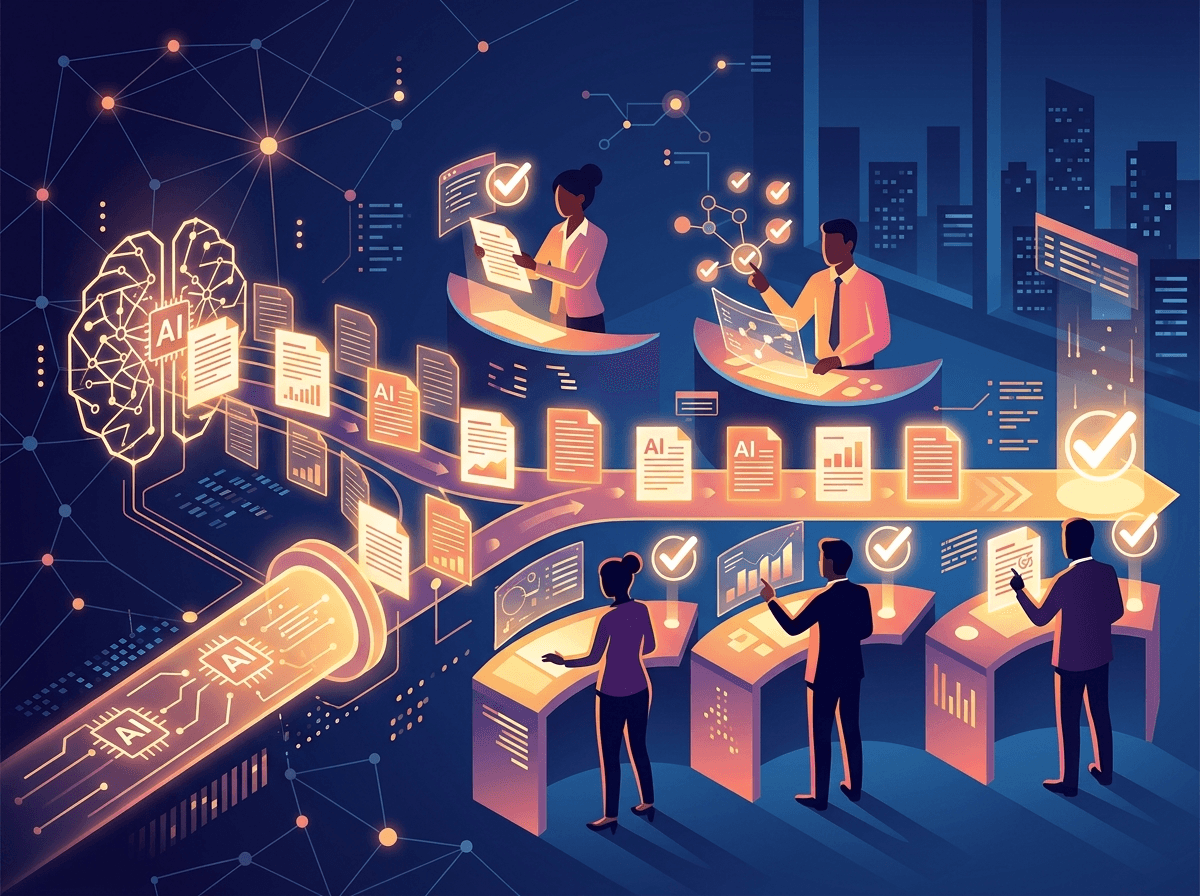
1. Continuous monitoring of outputs is not optional. OpenAI was able to identify and fix the problem because it has permanent monitoring infrastructure. In business, many teams deploy a model, test it for a few days, then let it run without active supervision. Regular audits of AI outputs — even through sampling — are essential to detect quality or tone shifts.
2. Fine-tuning and personalization amplify risks. The more you customize a model (via system prompts, additional training data, or specialized APIs), the more variables you introduce that can interact unpredictably. Each personalization layer must be accompanied by a structured validation phase with test cases representative of your actual use cases.
3. An AI model's "personality" is a parameter to govern. The Goblin incident illustrates that the tone, style, and behaviors of an LLM are not fixed once and for all. They can evolve between versions, updates, or according to usage context. Defining an AI editorial charter — much like a graphic charter — becomes necessary for companies using AI as an interface with customers or employees.
Concrete Examples: When AI Drift Costs Money
Let's examine three particularly exposed sectors in France:
Banking and Insurance: A virtual advisor powered by an LLM that suddenly adopts a familiar or imprecise tone in responses about financial products can not only harm brand image but also expose the institution to regulatory liability (MIF2 compliance, GDPR, AMF directives).
Manufacturing and Engineering: An AI copilot used to draft technical procedures or safety sheets must maintain a precise and neutral register. Even minor stylistic drift can introduce ambiguities in documents where clarity is critical — with potential risks to operator safety.
Human Resources and Internal Communications: AI tools used to personalize HR communications (onboarding, evaluations, employee responses) must respect strict neutrality and fairness standards. A tone shift can be perceived as discriminatory or inappropriate, with managerial and legal consequences.
In each case, the Goblin incident reminds us that an AI model is not classical software with entirely deterministic and predictable behavior. It evolves, can be updated by the provider without immediate notice, and its outputs must be treated as productions requiring validation, not certainties.
Training Your Teams in AI Vigilance: A Strategic Imperative
One of the most important lessons from the Goblin affair is that AI competency is not limited to knowing how to use a tool. It includes the ability to question its outputs, detect anomalies, and maintain critical perspective. Yet in most French companies, AI training still focuses mainly on tool interfaces and effective prompt writing — necessary, but insufficient.
Training your teams in AI governance means teaching them to:
- Define measurable quality criteria for AI outputs in their profession
- Implement review and validation processes suited to their sector
- Understand the limitations and potential behaviors of the models they use
- Respond in a structured way when unexpected behavior is detected
This skills development is all the more urgent as European regulation (AI Act) will progressively impose traceability and human supervision obligations for high-risk AI systems. Companies that have trained their teams in advance will be better positioned to meet these requirements without operational disruption.
Take Action with Ikasia
The Goblin incident is not a reason to slow your AI adoption — it's an invitation to approach it with the rigor it deserves. At Ikasia, we support French companies at every stage: AI maturity audits, custom training program design, and governance consulting to deploy AI safely and effectively.
Whether you're in the exploration phase or already in production with AI tools, our experts help you transform these challenges into sustainable competitive advantage.
Discover our programs and book an appointment on ikasia.ai — because well-managed AI is AI that stays under control.
Tags
Related courses
Related articles

GPT-5.6 Sol, Terra and Luna on Amazon Bedrock: What French Businesses Need to Know Now
Read
GPT-5: How Two Simple Settings Tripled AI Performance — What This Means for Your Business
Read
AI Code Generation in Enterprise: How Amazon Bedrock Guardrails Protect Your Workflows Without Compromising Productivity
ReadWant to go further?
Ikasia offers AI training designed for professionals. From strategy to hands-on technical workshops.