Patch the Planet: How OpenAI's AI Secures Open Source and Transforms Enterprise Cybersecurity Strategy
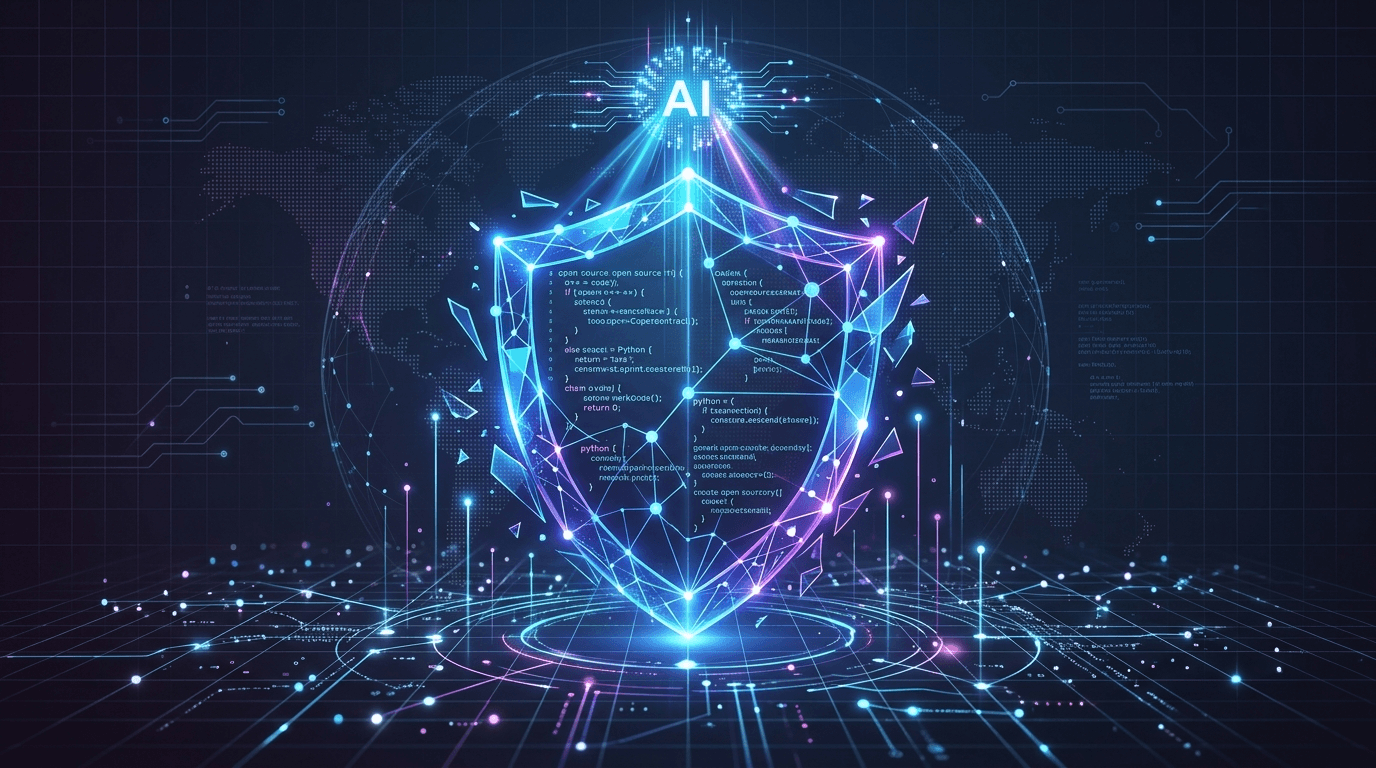
The security of open source software is a blind spot for many French enterprises. Yet, according to recent studies, more than 96% of modern applications integrate open source components — and each unpatched vulnerability in these software building blocks represents a potential entry point for cyberattacks. It is in this context that the Patch the Planet initiative, led by OpenAI as part of its Daybreak program, is changing the game. By combining artificial intelligence and human expertise to detect, validate, and fix vulnerabilities in open source projects, this initiative raises major strategic questions for CIOs, Chief Information Security Officers, and leadership of French organizations.
Open Source: Fragile Pillar of French Digital Economy
In France, open source is ubiquitous: from local governments to large CAC 40 companies, passing through mid-market firms and French Tech startups, virtually all digital infrastructures rely on free components — Linux, Python, Apache, Node.js, PostgreSQL, to name just a few. The power of these tools is undeniable, but so is their Achilles' heel: they are often maintained by volunteer communities or small teams with few resources to systematically audit their code.
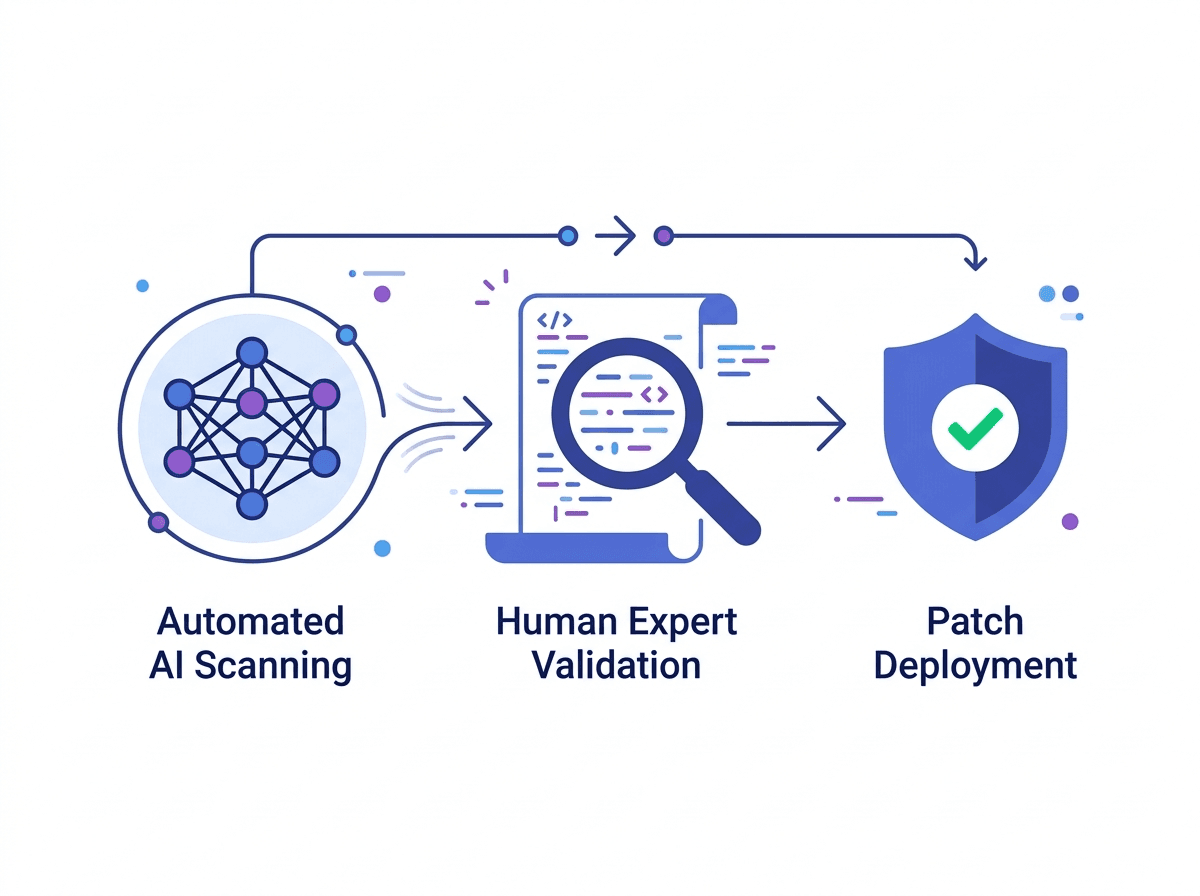
OpenAI's Patch the Planet initiative directly tackles this structural problem. Concretely, AI agents conduct in-depth analysis of source code from critical open source projects, identify potential vulnerabilities, then submit these findings to human experts for validation before any correction. This hybrid model — AI + human review — is exactly what organizations mature in cybersecurity seek to implement internally.
For French enterprises, the signal is clear: AI is no longer merely a productivity tool; it is now a key player in the software security chain.
What Patch the Planet Reveals About the Future of AI-Augmented Cybersecurity
Daybreak's approach perfectly illustrates what professionals call AI-augmented DevSecOps. Where a traditional security audit can take weeks and mobilize costly resources, an AI agent can process thousands of lines of code in hours, following known vulnerability patterns (SQL injections, buffer overflows, poor secret management, obsolete dependencies, etc.).
But the most interesting aspect of this initiative for enterprises is not so much the technology itself as the governance model it establishes:
- Automated detection: AI scans continuously, without fatigue or cognitive bias
- Mandatory human validation: no fix is submitted without expert review, avoiding false positives and counterproductive corrections
- Open collaboration: fixes are proposed to maintainers, who retain full control of their project
This triptych — automation, human oversight, collaboration — is directly transposable to the internal processes of any French CIO seeking to modernize their application security approach.
Concrete example: an industrial company using Python libraries to control its production lines could deploy a similar approach internally: an AI agent continuously monitors software dependencies, alerts the security team as soon as a vulnerability is detected in an update, and proposes a prioritized remediation plan. The CISO validates, the dev team applies. The remediation cycle goes from weeks to hours.
Concrete Applications for French Enterprises: From Theory to Action
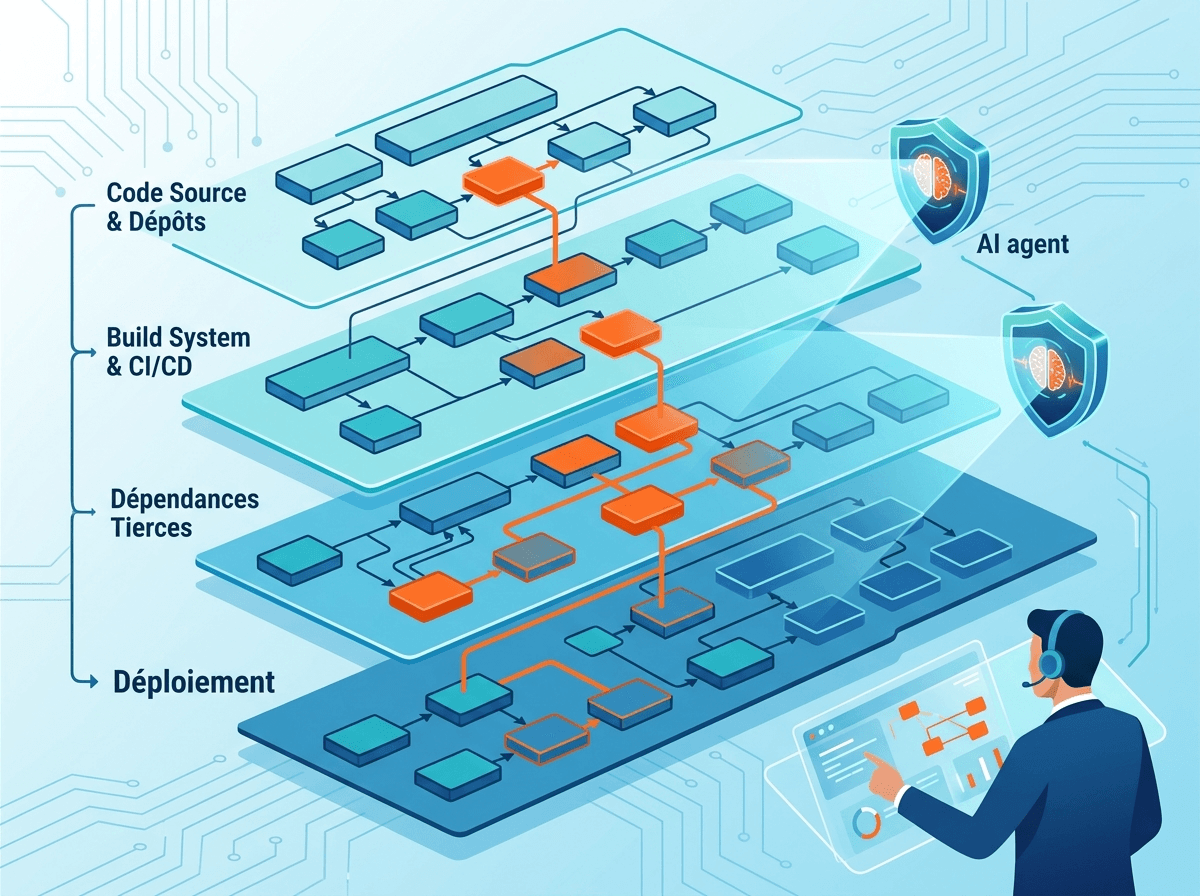
OpenAI's initiative is not merely an academic or advocacy project. It foreshadows very concrete use cases that French enterprises can — and must — anticipate starting today.
1. Continuous Audit of the Software Supply Chain Since the SolarWinds and Log4Shell attacks, software supply chain security is a regulatory priority (NIS2 directive, ANSSI recommendations). AI agents capable of automatically analyzing third-party components integrated into applications enable meeting this requirement at scale, without multiplying dedicated human resources.
2. Securing Internal Projects in Open Source Mode Many large French companies (Engie, Société Générale, BNP Paribas…) have adopted an internal open source culture, publishing or consuming projects on private or public repositories. Applying the Patch the Planet methodology to these environments enables systematizing vulnerability detection before any production release.
3. Accelerated Regulatory Compliance The European Cyber Resilience Act will soon impose strict obligations on the security of digital products, including those based on open source. Companies that anticipate by deploying AI audit processes will be better positioned to demonstrate compliance.
4. Reduction of Security Audit Costs A penetration test or code audit conducted by an external firm costs between 10,000 and 100,000 euros depending on complexity. AI does not replace these in-depth audits, but it enables pre-qualifying risks, reducing the scope for manual auditing, and thus significantly optimizing the security budget.
Training Your Teams for the Era of AI-Augmented Security
Adopting these new approaches is not a top-down decision: it is built through training and acculturation. The Patch the Planet initiative highlights an urgent need for upskilling in French enterprises across several dimensions:
For development teams, it is about learning to work with AI code analysis tools (GitHub Copilot Security, Snyk, Semgrep, etc.), interpreting their recommendations, and not applying them blindly — exactly as advocated by Daybreak's human validation model.
For security teams (CISO, SOC analysts), the priority is understanding the capabilities and limitations of AI agents in detecting vulnerabilities, to define appropriate governance processes and maintain a position of control.
For managers and executive leadership, the challenge is strategic: understanding how AI reconfigures cyber risks, how it can be a competitive lever, and what investments in training are necessary to avoid being exposed to malicious actors who are already using AI offensively.
At Ikasia, we support French enterprises in this transformation with customized training programs: from AI introduction for non-technical teams to advanced workshops on AI applied to cybersecurity for CIO and CISO profiles. Our training combines theory, practical cases, and hands-on scenarios to ensure real and lasting skills transfer.
Patch the Planet is much more than a philanthropic initiative by OpenAI. It is a strong signal about the direction the global technology industry is heading: AI as digital trust infrastructure. French enterprises that integrate these paradigms into their strategy starting today will gain decisive competitive advantage — in security, compliance, and operational efficiency.
Would you like to assess your teams' maturity in the face of these challenges and build an adapted training plan? Contact our experts at ikasia.ai for personalized diagnosis and discover how we support French organizations in their AI-driven transformation.
Tags
Related articles
Cybersecurity and AI Evaluations: What French Companies Need to Know About OpenAI's New Requirements
Read
GPT-5.5 Cyber: How AI Becomes the Digital Shield for French Enterprises
Read
GPT-Rosalind: How OpenAI's AI is Revolutionizing Life Sciences Research — What French Enterprises Need to Know
ReadWant to go further?
Ikasia offers AI training designed for professionals. From strategy to hands-on technical workshops.