Chrome Skills: How to Transform Your Best AI Prompts into Business Tools in One Click
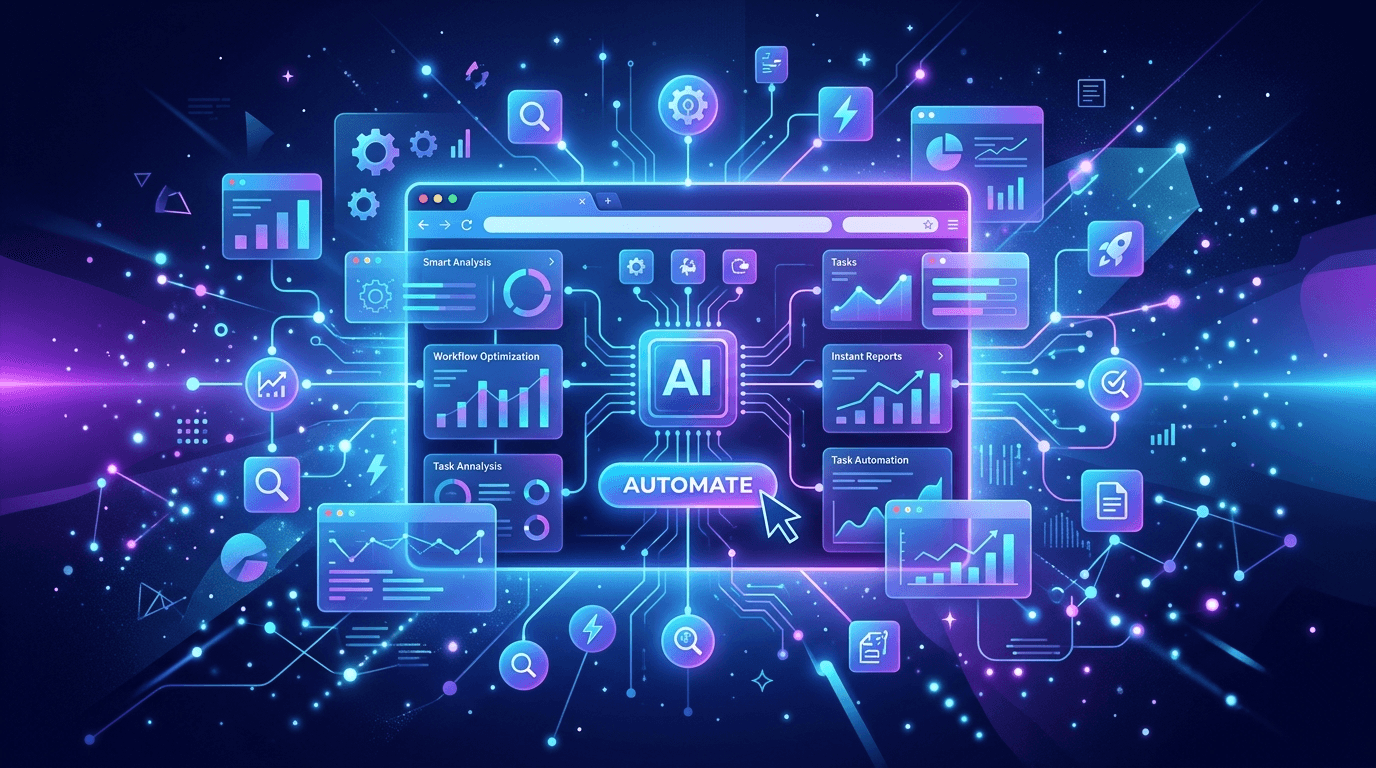
Google has just taken a decisive step in democratizing artificial intelligence in everyday work. With the arrival of Skills in Chrome, the world's most popular browser is becoming a genuine AI automation platform accessible to everyone — without a single line of code. For French companies looking to industrialize their AI usage without complicating their processes, this innovation deserves serious attention.
Chrome Skills: What Exactly Are They?
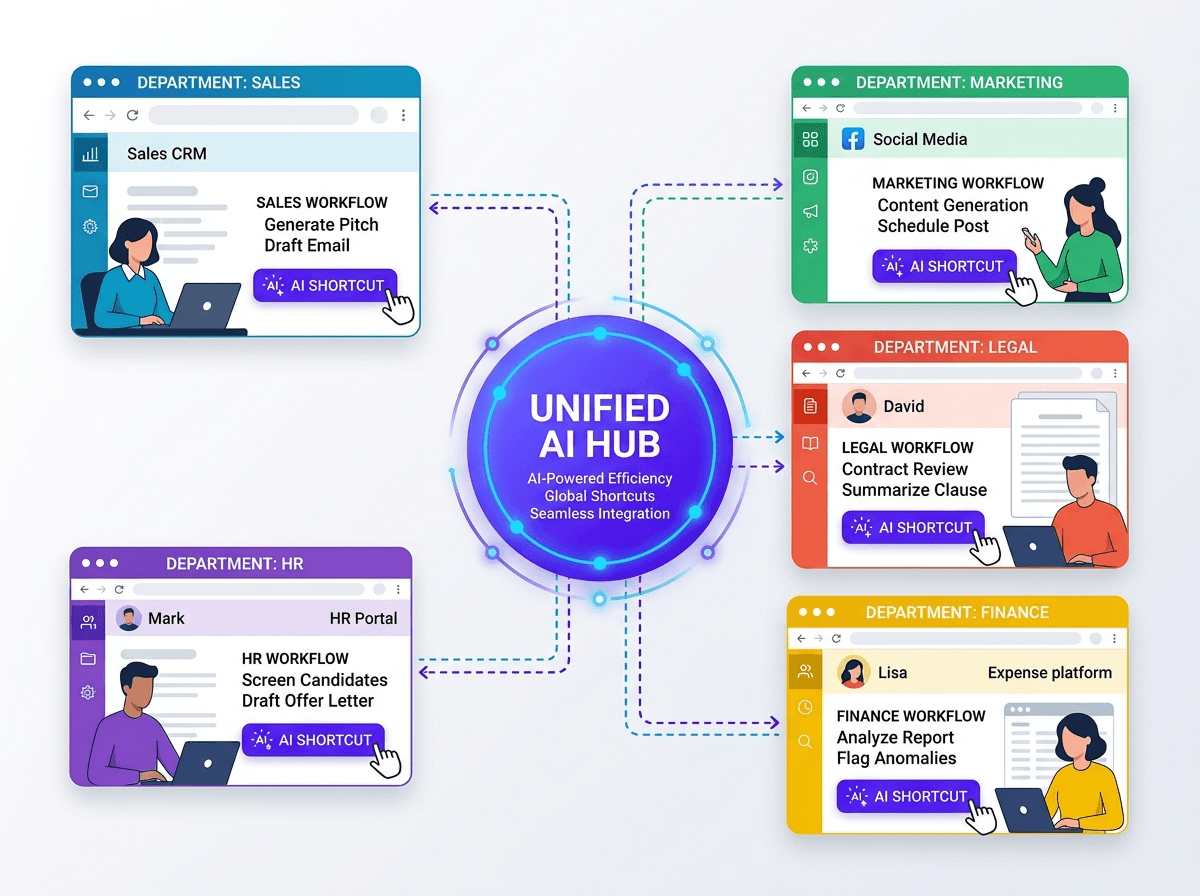
Skills in Chrome are a feature that allows users to discover, save, and reuse AI workflows in the form of shortcuts that can be activated with a single click. Concretely, if you've built a complex and effective prompt — to summarize meeting notes, rephrase emails in professional English, or analyze customer feedback — you can now save it as a "Skill" and launch it instantly from your browser, without having to retype it or navigate between different interfaces.
The feature is built on Gemini's native integration in Chrome and introduces a remix logic: you can adapt an existing Skill to your context, share it with your colleagues, or draw inspiration from those offered by the Google community.
What may seem like a simple convenience actually represents a structural change in how AI can be deployed in organizations: it moves out of the lab of early adopters and into the daily workflow of all employees.
Concrete Use Cases for French Businesses
Imagine the following scenarios in your organization:
For a sales team, a "Client Meeting Preparation" Skill could analyze a prospect's website with one click, synthesize their recent news, and generate a list of personalized discussion points — all from the Chrome tab open on their CRM.
For an HR department, a "Resume Analysis" Skill would make it possible to quickly compare a candidate's profile to a job description, highlighting strengths, gaps, and questions to ask in an interview. What used to take 20 minutes is now done in 90 seconds.
For a legal or compliance department, a "Contract Review" Skill could identify sensitive clauses, regulatory attention points (GDPR, French labor law), and propose an executive summary for operational teams.
For marketing teams, a "Multi-channel Content Adaptation" Skill could transform a blog article into a LinkedIn post, newsletter script, and advertising headline — while respecting the tone guidelines defined once and for all in the saved prompt.
The power of this approach lies in the standardization of best practices: your team's best prompt becomes the shared tool of the entire organization, not the secret of a single expert colleague.
The Strategic Challenge: Capitalizing on Your Prompts Like Your Processes
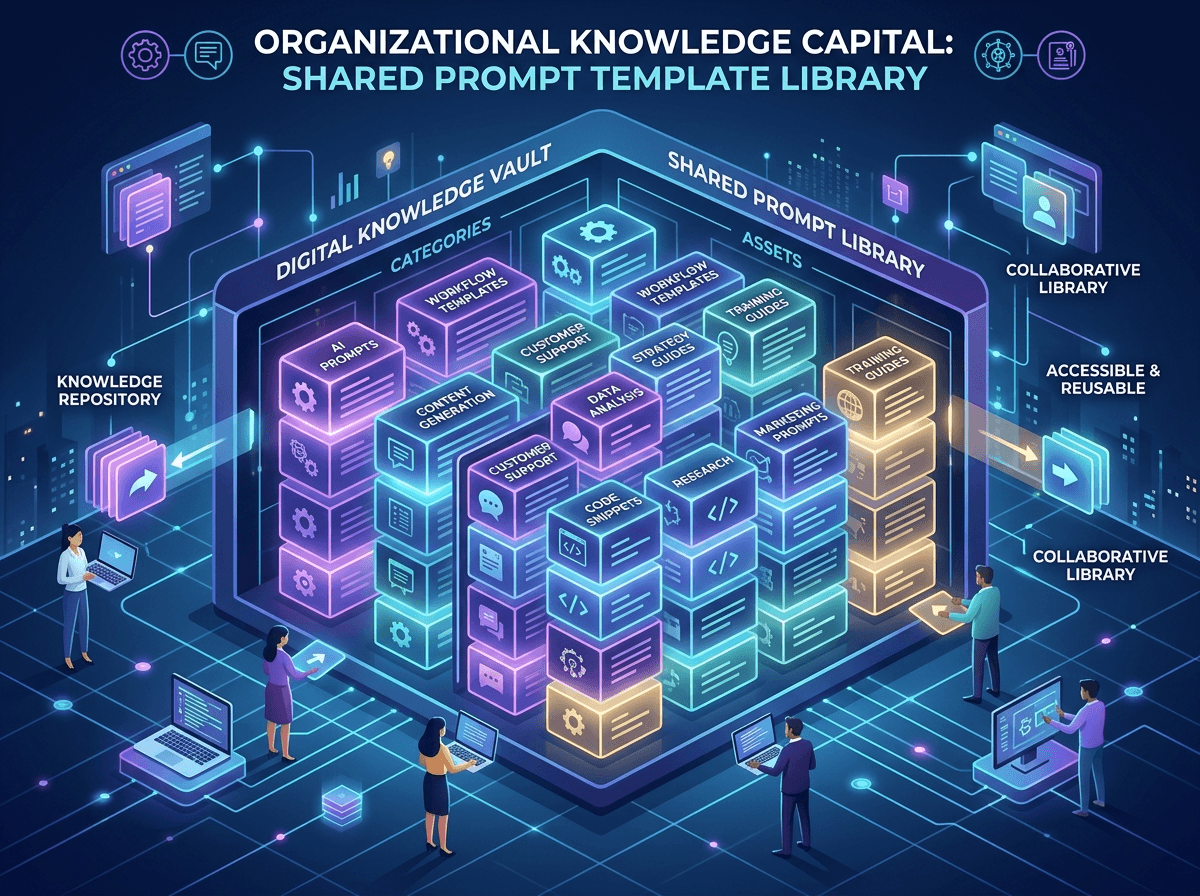
Until now, one of the blind spots in AI adoption in enterprises was the loss of value of prompts. Every employee reinvented the wheel, tested their own formulations, obtained heterogeneous results. The rare internal experts who mastered prompt engineering produced value that wasn't passed on.
Skills in Chrome introduce a radically different logic: that of a prompt heritage. Your best formulations become reusable, versionable, shareable assets — exactly as you document a business process or quality procedure.
For French CIOs and operational leadership, this raises immediate strategic questions:
- Governance: who validates and maintains the company's official Skills?
- Compliance: how do you ensure that shared AI workflows respect data processing rules (GDPR, sensitive data)?
- Differentiation: which processes deserve to be transformed into Skills as a priority, for maximum ROI?
These questions aren't obstacles — they're the foundations of a mature AI strategy. Companies that answer these questions first will gain significant advantage over their competitors.
Team Training: Toward a New Core Competency
The arrival of Skills in Chrome doesn't make AI training obsolete — it makes it even more strategic. Because to take advantage of these tools, your employees must know how to build quality prompts, understand the limitations of generative models, and adopt a critical stance toward the outputs produced.
The good news is that the technical entry level is now very accessible. There's no need to be a developer to create a useful Skill. However, the skills of formulation, thought structuring, and results validation become standalone business competencies.
At Ikasia, we support French companies through this transition with training programs tailored to each profile: executives, managers, operational teams. Our approach always starts with your teams' real use cases to build lasting skills — not demonstrations disconnected from reality.
Training your employees to take advantage of tools like Chrome Skills is investing in a productivity lever that rolls out without heavy infrastructure, starting tomorrow morning.
Want to assess how new AI tools like Chrome Skills can integrate into your organization's processes? The Ikasia team helps you audit your current usage, define your AI roadmap, and upskill your teams.
👉 Discover our training and consulting services at ikasia.ai and let's take time for an initial conversation to build your AI strategy together.
Tags
Related courses
Related articles

DeepMind's AI Co-Clinician: What the Medical Revolution Means for Every French Company
Read
GPT-5.6 in Microsoft 365 Copilot: What Actually Changes for Your Teams
Read
AI and Regulatory Filing: How Artificial Intelligence Cuts Compliance Document Drafting Time by 15%
ReadWant to go further?
Ikasia offers AI training designed for professionals. From strategy to hands-on technical workshops.