OpenAI's Codex on Windows: When AI Agent Security Becomes a Competitive Advantage for Enterprises
The Silent Challenge of Generative AI in Professional Environments: Security
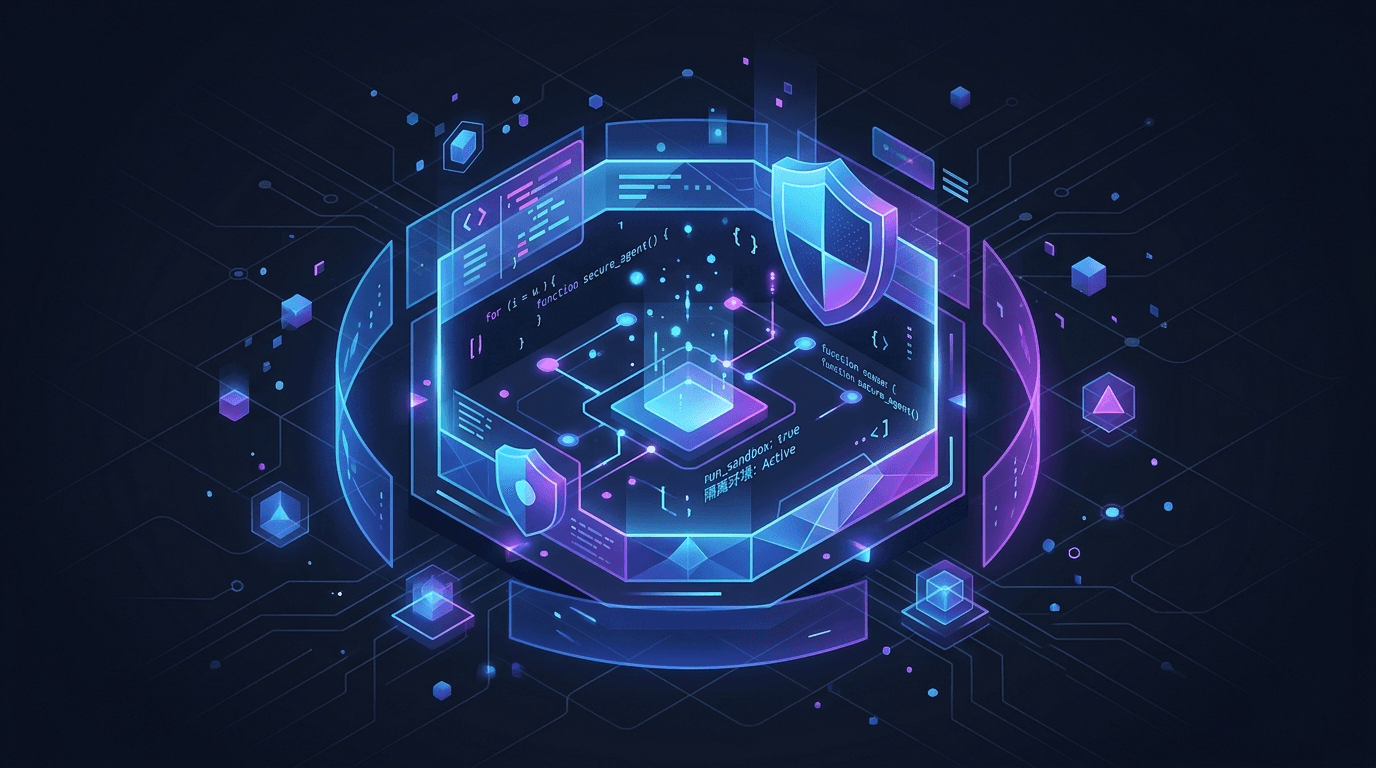
In French IT departments and among Chief Information Officers, the same question systematically arises whenever autonomous AI agents are mentioned: "But how do we actually control what the machine does?" This is precisely the concern that OpenAI has tackled head-on by implementing a secure sandbox environment to run Codex — its software development agent — on Windows.
This technical announcement, seemingly reserved for engineers, actually conceals a profound transformation in how enterprises can now integrate AI into their code production processes. For mid-market companies and large French groups that were still hesitant to take the leap, this type of containment infrastructure represents a strong signal: responsible agentic AI is no longer a promise, it's an operational reality.
What Codex's Sandbox Concretely Changes for Your Tech Teams
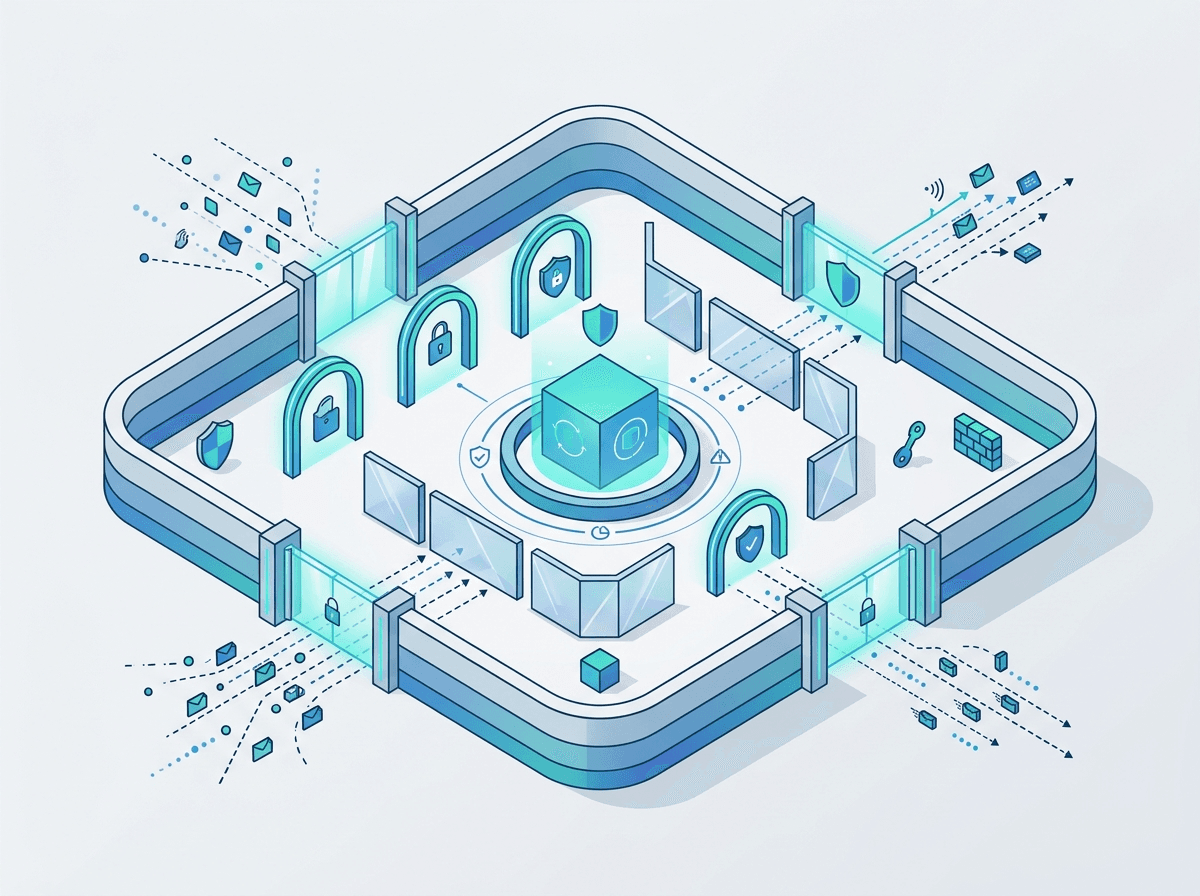
OpenAI has designed an isolated execution environment — a sandbox — allowing Codex to operate on files, execute code, and navigate development environments, while never having free access to the network or host file system. Concretely, this means:
- Strictly controlled file access: the agent can only read and modify explicitly authorized resources, thus limiting any risk of leaks or unintentional alteration of sensitive data.
- Granular network restrictions: outbound calls are filtered, preventing exfiltration of proprietary code or corporate secrets to unapproved third-party services.
- Action traceability: every operation performed by the agent is logged, providing an auditability level compliant with governance requirements of regulated enterprises (banks, insurance, pharmaceutical industry).
For a Parisian systems integrator or a Lyon-based software publisher, this translates very simply: you can entrust Codex with refactoring a legacy codebase, generating unit tests, or fixing recurring bugs, without exposing your intellectual property or violating your internal security policies.
The Windows sandbox also opens the door to use cases previously deemed too risky: running an AI agent directly in a CI/CD pipeline on Microsoft infrastructure, or integrating Codex into hybrid environments where Windows remains the dominant operating system — which is still very common in traditional French enterprises.
Business Applications: Beyond Code, A New Productivity Logic
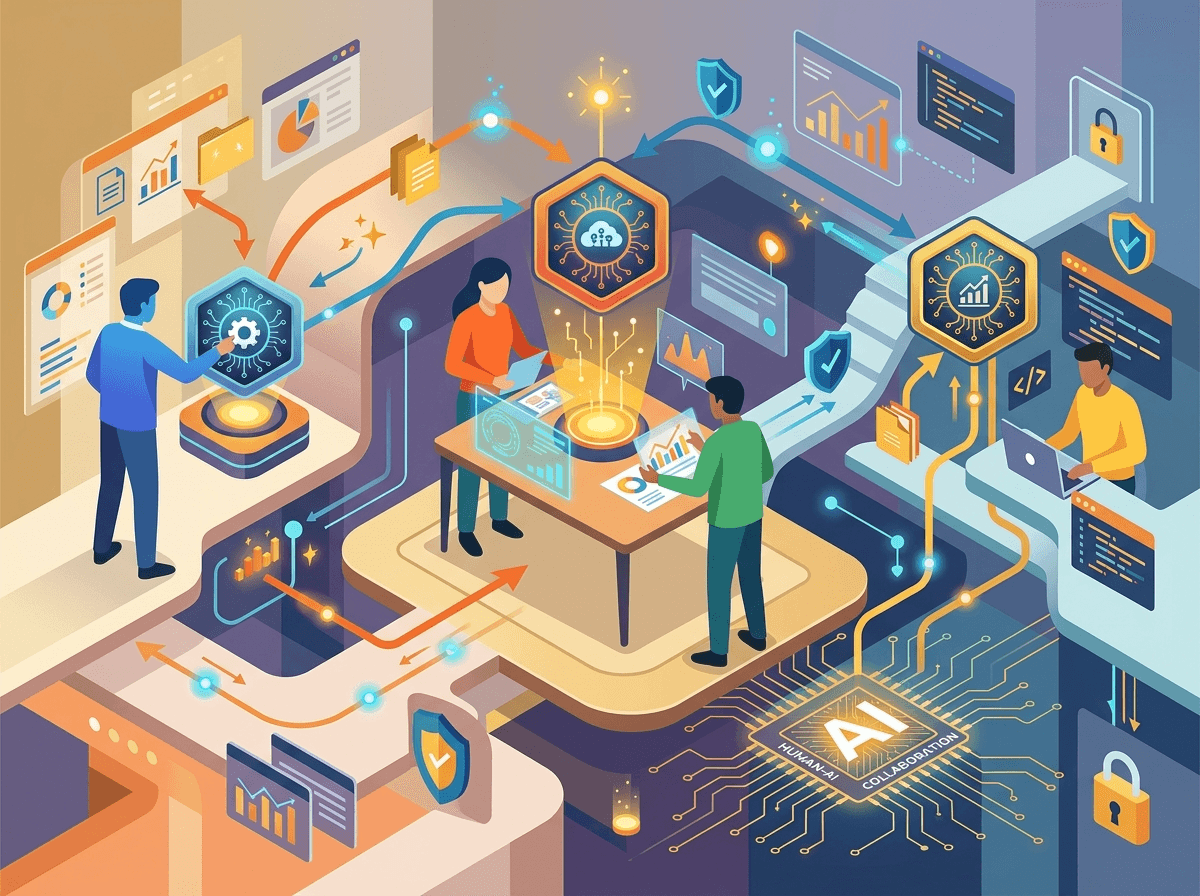
While the technical announcement concerns Codex and software development, the business implications are far broader. Here are three concrete examples of applications in French enterprises:
1. Industrial Manufacturers with Aging ERP Systems A mid-sized manufacturing company with a custom ERP developed ten years ago can now consider mandating an AI agent to audit, document, and progressively modernize this code — all in an isolated environment, without risking impact on production systems. Estimated time savings: 30 to 50% on corrective maintenance cycles.
2. Legal and Financial Firms Subject to GDPR Managing automation scripts or internal data processing tools is a sensitive subject in these sectors. Thanks to the sandbox, a Codex agent can generate, test, and validate code processing personal data without ever leaving the controlled perimeter, thus meeting CNIL requirements and compliance audits.
3. Retail and E-commerce Groups During Peak Activity Periods In the weeks preceding sales or Black Friday, tech teams are under pressure to rapidly deploy fixes and new features. A secure Codex agent can generate and validate code in parallel with human developers, reducing time-to-market without compromising platform stability.
In all these cases, the key is not the raw performance of AI, but the trust the system will inspire in teams, security managers, and executive leadership. This is precisely what OpenAI's sandbox approach addresses.
Training Your Teams in Agentic AI: The Human Challenge Behind the Technical Achievement
Deploying a secure AI agent like Codex is not merely an infrastructure decision. The true transformation is organizational and human. For your teams to fully leverage these tools, several competencies must be cultivated internally:
- Understanding agent boundaries: knowing what Codex can and cannot do, how to configure its permissions, and when to take manual control.
- Defining hybrid human-AI workflows: learning to structure development tasks so the agent is an accelerator, not an additional source of technical debt.
- Evaluating and auditing AI outputs: developing a critical eye for generated code, identifying biases or errors, and validating compliance with internal standards.
- Managing agent governance: understanding traceability, logging, and accountability issues when an AI executes actions on behalf of a human.
These competencies cannot be improvised. They require structured skills development programs, adapted to the realities of French enterprises and European regulatory constraints. This is exactly what we design at Ikasia: tailored training and support, from executive level to operational teams, ensuring AI adoption is rapid, secure, and sustainable.
Take Action with Ikasia
The evolution of Codex on Windows illustrates a fundamental trend: secure agentic AI is becoming an industry standard, and French enterprises that delay preparation are accumulating competitive disadvantage that is difficult to catch up on.
Whether you are the CIO of an industrial group, CTO of a scale-up, or transformation leader of a mid-market company, Ikasia supports you at every step: AI maturity audit, definition of your agentic roadmap, training for your technical and non-technical teams, and implementation of adapted governance frameworks.
👉 Discover our programs on ikasia.ai and let's schedule a meeting to evaluate your AI transformation potential together.
The future belongs to organizations that can combine the power of AI agents with the rigor necessary to deploy them with confidence. Let's start today.
Tags
Related articles
From Weeks to Hours: How Agentic AI Transforms Software Delivery at Endava (And What French CIOs Must Learn)
Read
OpenAI's Codex: How an Asian Tech Giant is Reinventing Software Development with Agentic AI — and What French Companies Must Learn
Read
OpenAI + Dell + Codex: AI-Powered Software Development Comes to Your Servers — What Changes for French Enterprises
ReadWant to go further?
Ikasia offers AI training designed for professionals. From strategy to hands-on technical workshops.