How Rakuten Reduced Incident Resolution Time by 50% with AI: Lessons for French IT Directors
Rakuten and Codex: When AI Redefines Software Development Standards
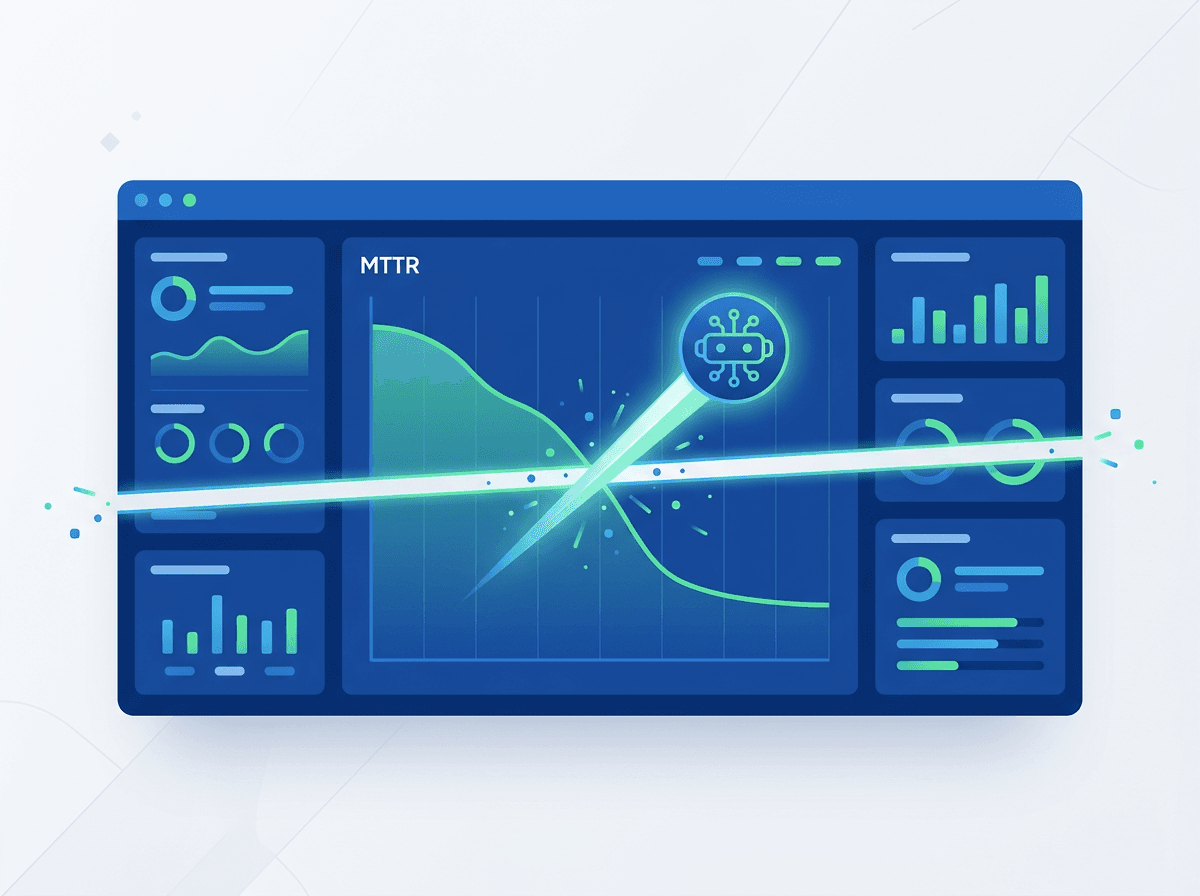
In a context where digital transformation is accelerating, companies that delay integrating artificial intelligence into their development processes face a major competitive risk. The case of Rakuten, a global giant in e-commerce and digital services, is the most convincing demonstration to date. By deploying Codex, OpenAI's coding agent, Rakuten managed to reduce its Mean Time To Repair (MTTR) by 50%, automate its CI/CD reviews, and deliver full-stack applications in just a few weeks — where months were previously required.
For Chief Information Officers (CIOs), CTOs, and R&D managers at French companies, this news is far from trivial. It illustrates a paradigm shift in how technical teams produce, test, and maintain software. Let's decode together what this means in practice, and how to anticipate this transformation in your organizations.
50% Less MTTR: What This Really Means for an Organization
MTTR — the average time needed to resolve an incident in production — is one of the key indicators of an enterprise's operational resilience. Every minute of critical service downtime translates into direct financial losses, degraded customer experience, and brand reputation damage.
Rakuten entrusted Codex with tasks previously reserved for senior engineers: automatic error log analysis, identification of code regressions, suggestion of fixes, and even patch deployment in controlled environments. Result: human teams no longer operate in firefighting mode, but in supervisor mode — validating solutions already pre-built by the AI agent.
Translated to the French context, imagine a mid-sized systems integrator, a SaaS software publisher, or the IT department of an industrial conglomerate. Cutting incident resolution time in half frees up considerable capacity. On a team of 20 developers, this can represent the equivalent of 3 to 5 FTEs (full-time equivalents) reallocated to high-value projects: product innovation, technical refactoring, securing critical systems.
French companies subject to strong regulatory constraints — banking, healthcare, insurance sectors — will find in this approach an additional lever to maintain demanding SLA levels while controlling operational costs.
CI/CD Automation: A Silent but Decisive Revolution
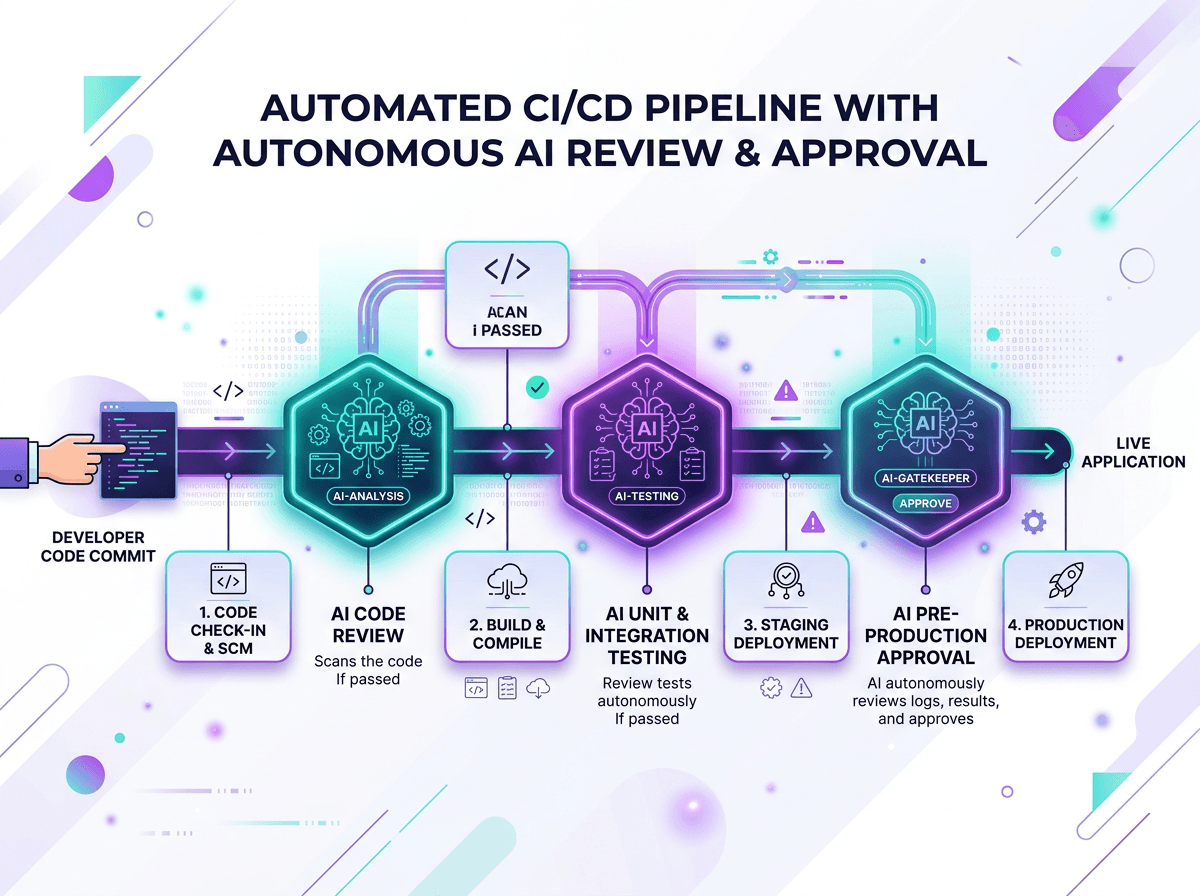
Continuous Integration and Continuous Deployment (CI/CD) today forms the backbone of any mature DevOps organization. Yet CI/CD pipeline reviews remain time-consuming, sources of human error, and often poorly documented. This is precisely where Codex demonstrates immediate added value.
At Rakuten, the agent automatically analyzes pipeline configurations, detects potential vulnerabilities, verifies dependency consistency, and generates structured review reports. Developers receive actionable recommendations before code even reaches staging environments.
Concrete applications for French companies:
- Retail and e-commerce: automated deployment review automation during high-load periods (sales, Black Friday) to prevent production incidents at the worst moment.
- Manufacturing industry: integration of automated quality controls into MES (Manufacturing Execution Systems) application pipelines, reducing the risk of failed updates.
- Public sector and local authorities: securing the deployment of citizen applications with complete audit trail of reviews, meeting ANSSI requirements.
- Startups and tech scale-ups: ability to maintain high delivery cadence with reduced teams, without sacrificing quality or security.
AI-powered CI/CD automation doesn't replace the DevOps engineer — it enables them to focus on complex architectural decisions rather than repetitive verifications.
From Concept to Product in Weeks: Accelerating Full-Stack Development
One of the most spectacular results reported by Rakuten is the ability to deliver functional full-stack applications in weeks, compared to several months previously. This acceleration relies on using Codex no longer as a simple code completion assistant, but as an autonomous agent capable of piloting end-to-end development tasks.
Codex can now: analyze a specification in natural language, generate the proposed technical architecture, produce frontend and backend code, write unit and integration tests, and automatically document generated APIs. The human engineer retains the role of technical product owner: they define objectives, arbitrate architectural choices, and validate deliverables.
For French companies engaged in legacy system modernization projects, this approach opens unprecedented perspectives. Rewriting an aging application in weeks rather than multiple quarters radically changes the economic equation of transformation projects.
Training Your Teams in the Age of Agentic AI: An Immediate Strategic Priority
The Rakuten case highlights a reality that many French leaders have not yet fully integrated: AI doesn't replace developers, it redefines their profession. Working with agents like Codex requires new skills that cannot be improvised.
Technical teams must learn to formulate precise and contextualized prompts, evaluate the quality and security of generated code, design architectures suited to supervising AI agents, and maintain accountability culture for deliverables produced with AI assistance. Managers and product owners, meanwhile, must understand the capabilities and limitations of agents to properly size projects and define appropriate validation processes.
This is precisely Ikasia's mission: accompanying French companies through this transition, with operational training and consulting grounded in field realities. Our programs cover both upskilling development teams on AI tools and acculturating business leaders and executive committees to the strategic challenges of agentic AI.
Take Action: Don't Let Your Competitors Get Ahead
Rakuten is not an isolated case. Hundreds of companies worldwide are deploying AI agents in their software development processes today. In France, the first organizations to master these tools will enjoy a sustainable competitive advantage: reduced time-to-market, controlled operational costs, enhanced appeal to technical talent.
Want to assess your AI maturity and define a realistic roadmap for your organization? The Ikasia team accompanies you from initial audit through operational deployment. Visit ikasia.ai to discover our training and consulting offerings, or contact us directly for an initial conversation with no obligation. The time to act is now.
Tags
Related courses
Related articles
OpenAI + Dell + Codex: AI-Powered Software Development Comes to Your Servers — What Changes for French Enterprises
Read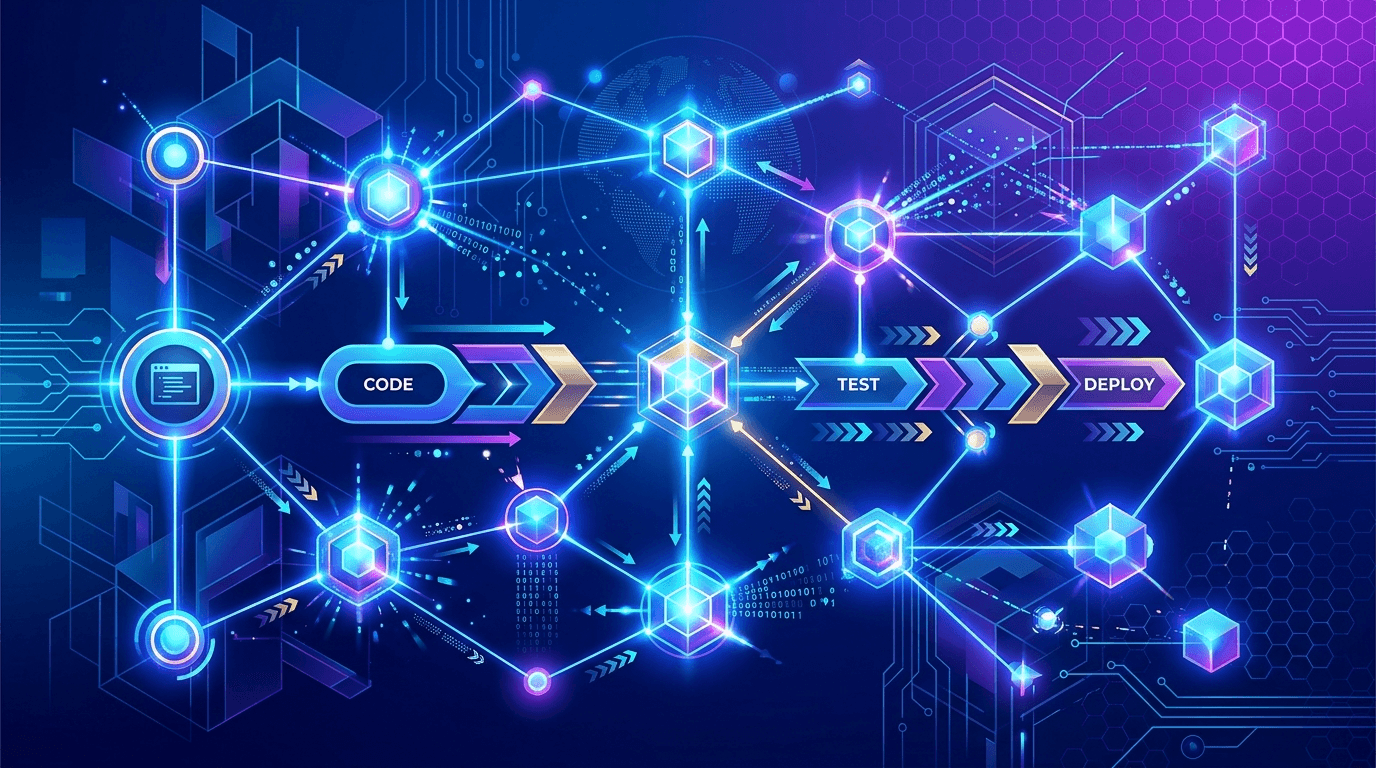
From Weeks to Hours: How Agentic AI Transforms Software Delivery at Endava (And What French CIOs Must Learn)
Read
HP and OpenAI Partner to Transform Tomorrow's Enterprise: What Changes for You
ReadWant to go further?
Ikasia offers AI training designed for professionals. From strategy to hands-on technical workshops.